Property Investors Are Quietly Choosing Concrete Over Timber — Because the Resale Numbers Add Up
No repainting, no rust treatment, no pest control — a steel-reinforced structure that adds up to 10% to resale value while it sits there doing nothing but lasting.

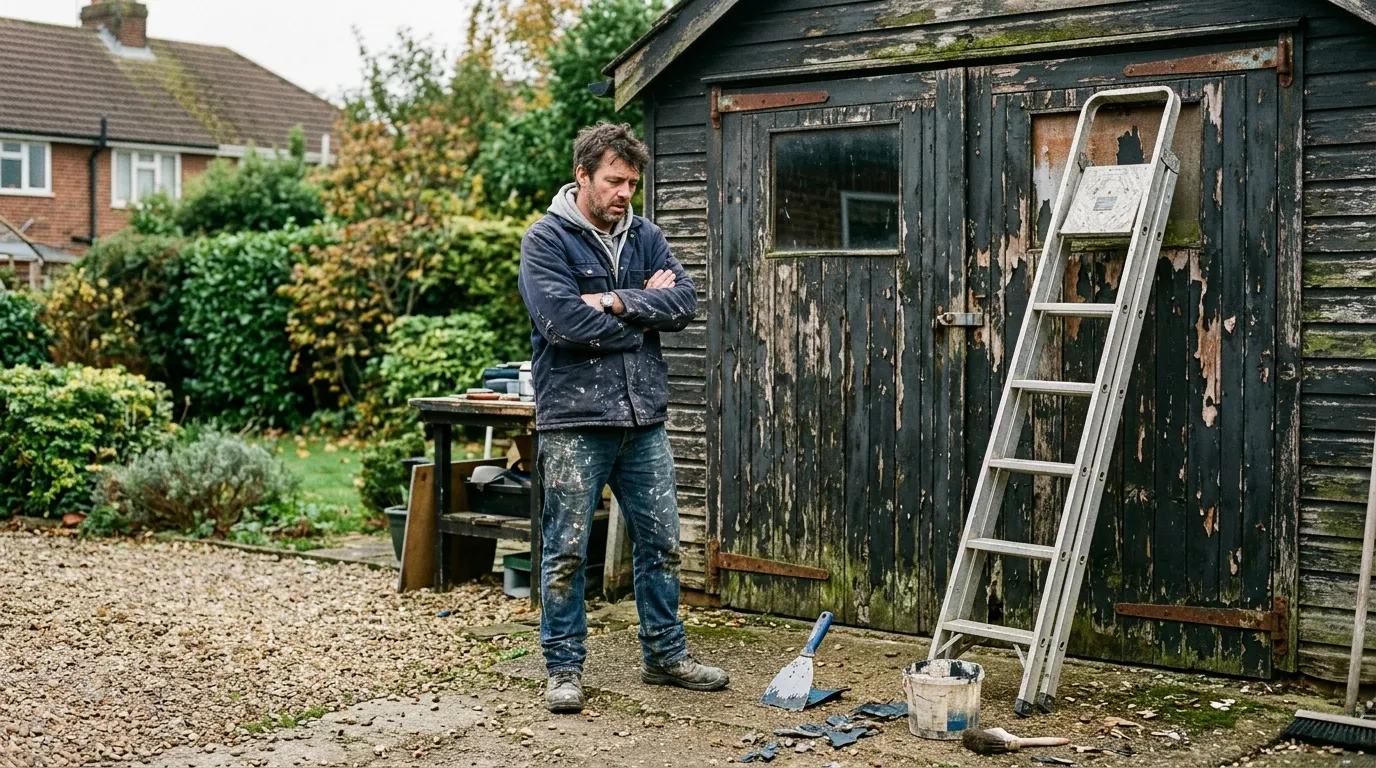 Every spring it’s the same job. You drag the ladder out, scrape the flaking paint off the timber, and spend a Saturday repainting a garage you barely look at the rest of the year.
Then the rust spots on the metal door. Then the soft patch of wood near the base where the damp got in. A pot of treatment here, a new bracket there.
It never feels like much in one go. But it never actually stops.
Why does timber keep asking for money?
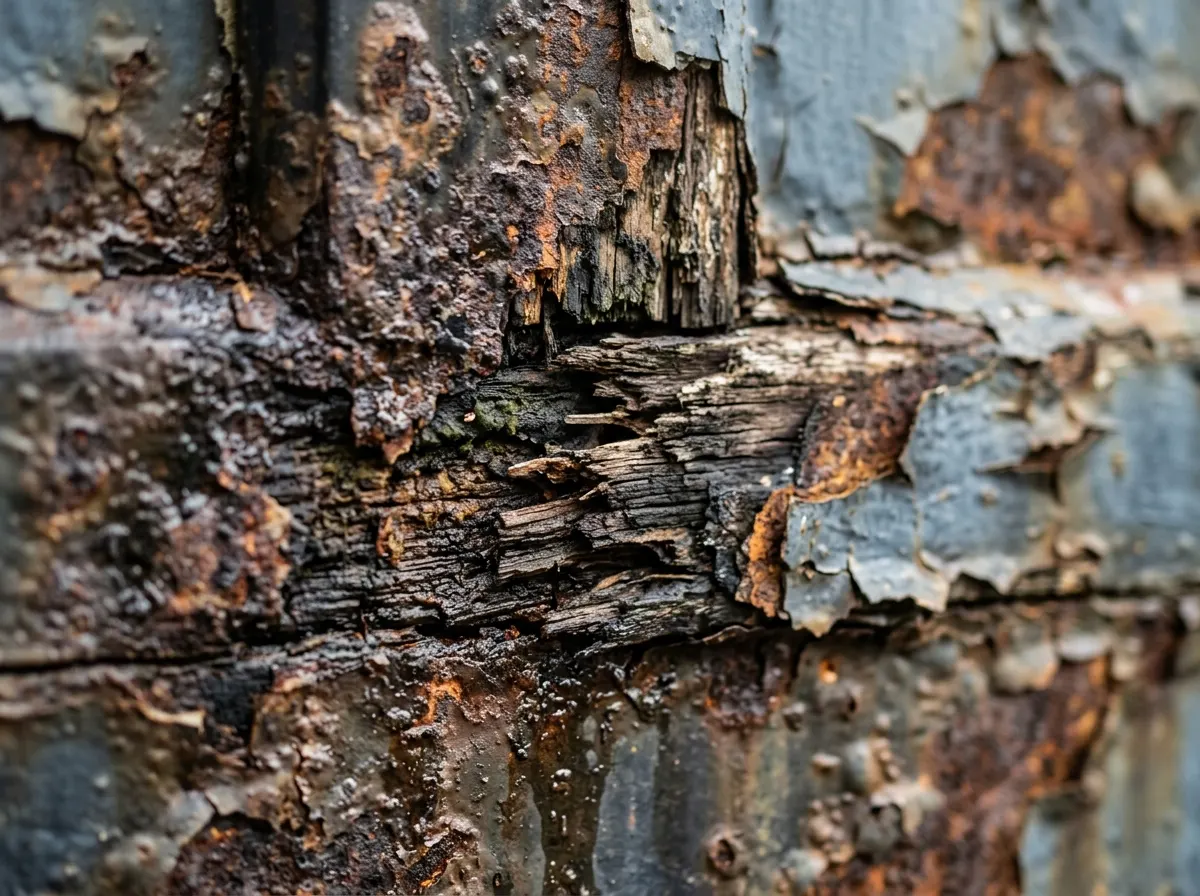
Timber and metal don’t last.
Wood swells, splits and rots. Metal rusts and dents. Both invite damp, and damp invites pests.
So you keep feeding them. Repainting, rust treatment, the odd panel replaced. Add it up across a year and most owners are spending around £200 just to keep the thing standing — not improving it, just stopping it falling apart.
And it’s not only money. It’s the worry.
A flimsy door is a soft target for anyone eyeing the bikes, the tools, the car inside. You bought a garage for peace of mind. Instead it became one more thing to keep an eye on.
So what are you really paying for every year?

The cheap price is a trap.
That low sticker price isn’t the real price. It’s a deposit on a bill that never ends.
Call it the upkeep tax — the slow, recurring cost of owning a structure made from materials that fight the weather instead of ignoring it. Wood and thin metal lose that fight a little more every winter.
Not a tougher coat of paint. Not a better bracket. A garage made from something that doesn’t rot, rust, or feed pests in the first place — so there’s simply nothing left to maintain.
That’s the difference between buying cheap once and buying right once.
Is there a build that just stops the bill?
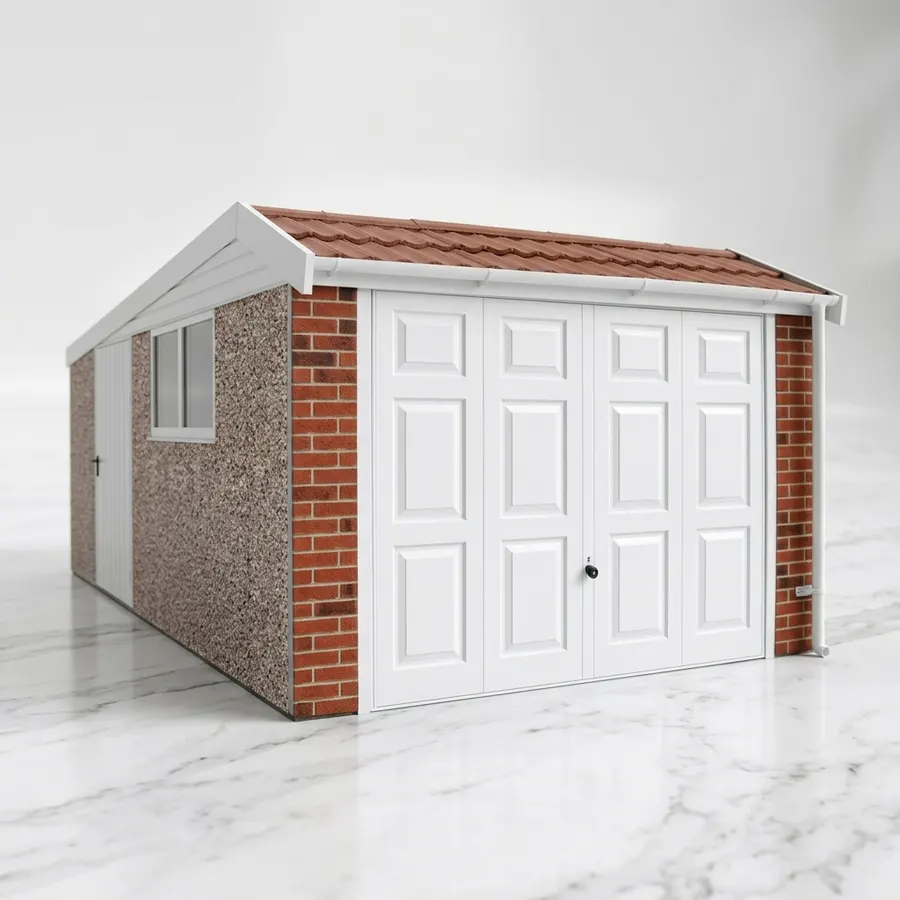
Concrete panels. No upkeep.
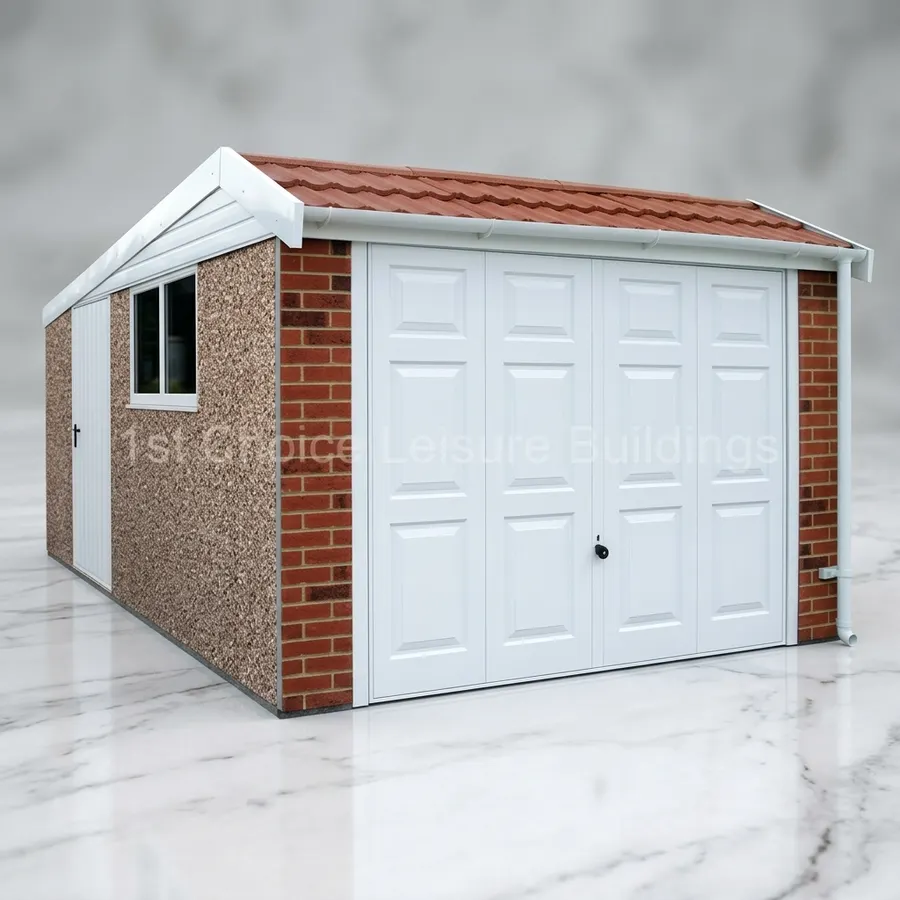
The steel-reinforced concrete panels used in a Lidget Compton garage are thick, dense, and reinforced with steel inside. They don’t flake, swell or corrode. There’s nothing to repaint or treat.
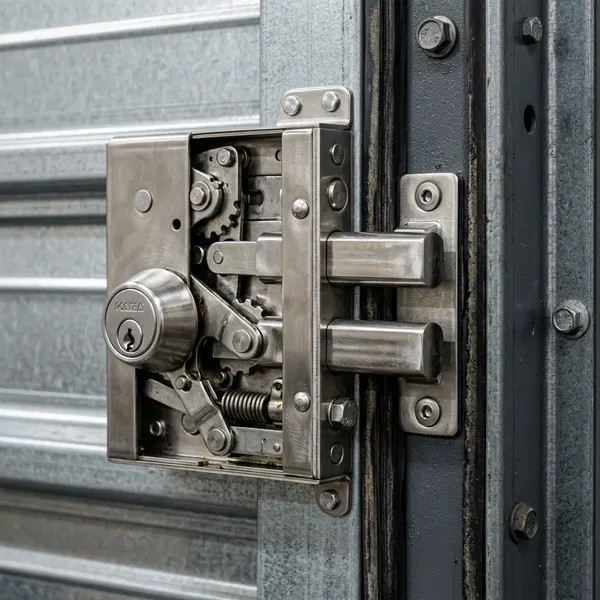
Lidget has been making these since 1979, with over 4,000 installations fitted across the UK. The panels exceed basic industry thickness and density, and a premium German-engineered Hörmann door handles the locking. It stops break-ins.
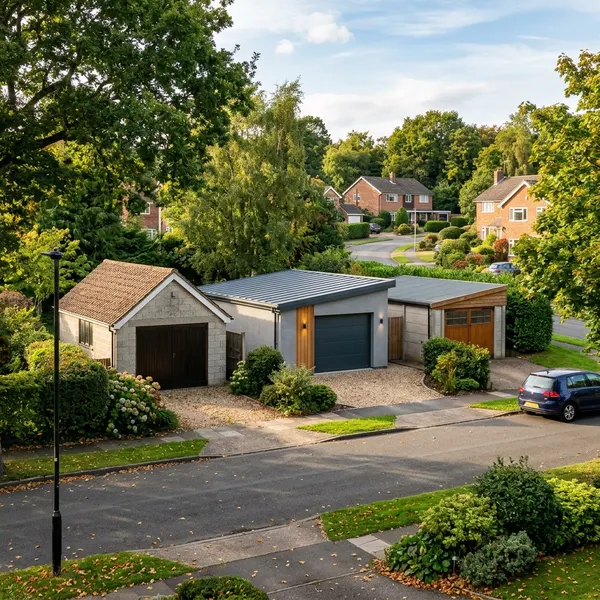
It does the quiet, valuable thing too: a professionally installed concrete garage can add up to 10% to your home’s resale value. So it sits there, maintenance-free, doing nothing but lasting — and quietly paying you back.
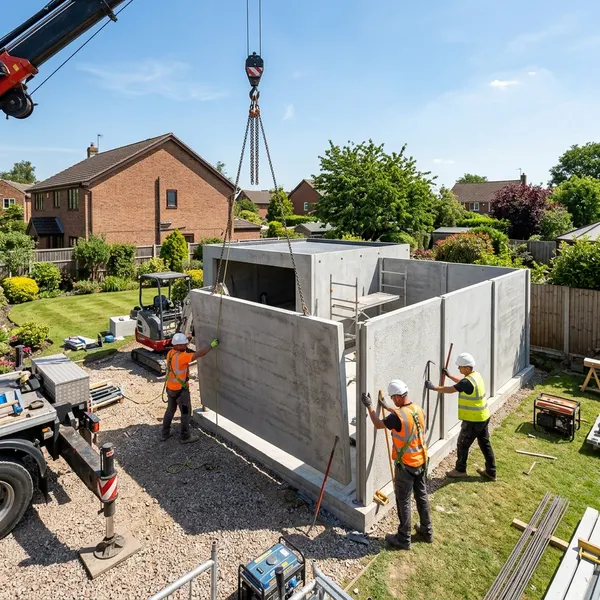
And if you move? The sectional design comes apart and reassembles at the new house. The 10-year warranty even transfers with it.
What does a concrete garage actually give you?
Beyond ending the yearly upkeep tax, the switch to concrete changes what a garage can do for a home — from genuine security to the value it adds while it simply sits there.
✓
✓
✓
✓
✓
✓
How is it built differently?
The difference isn’t a marketing finish — it’s in the materials and engineering. Below is a breakdown of the materials and construction that define a Lidget Compton garage.
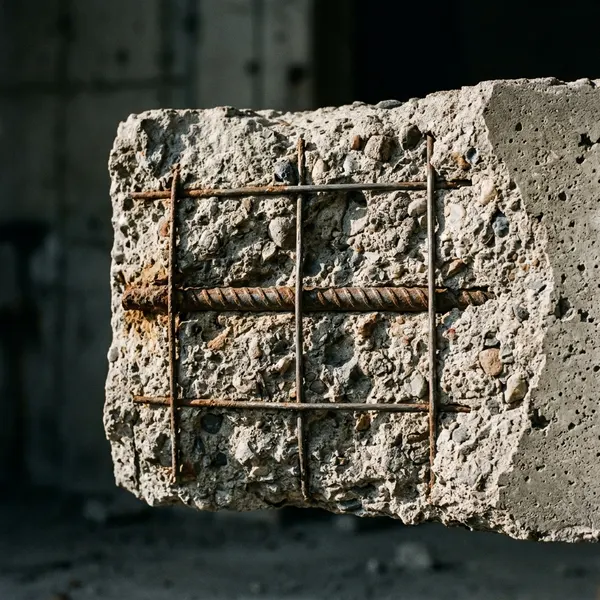

Why homeowners stop patching and switch
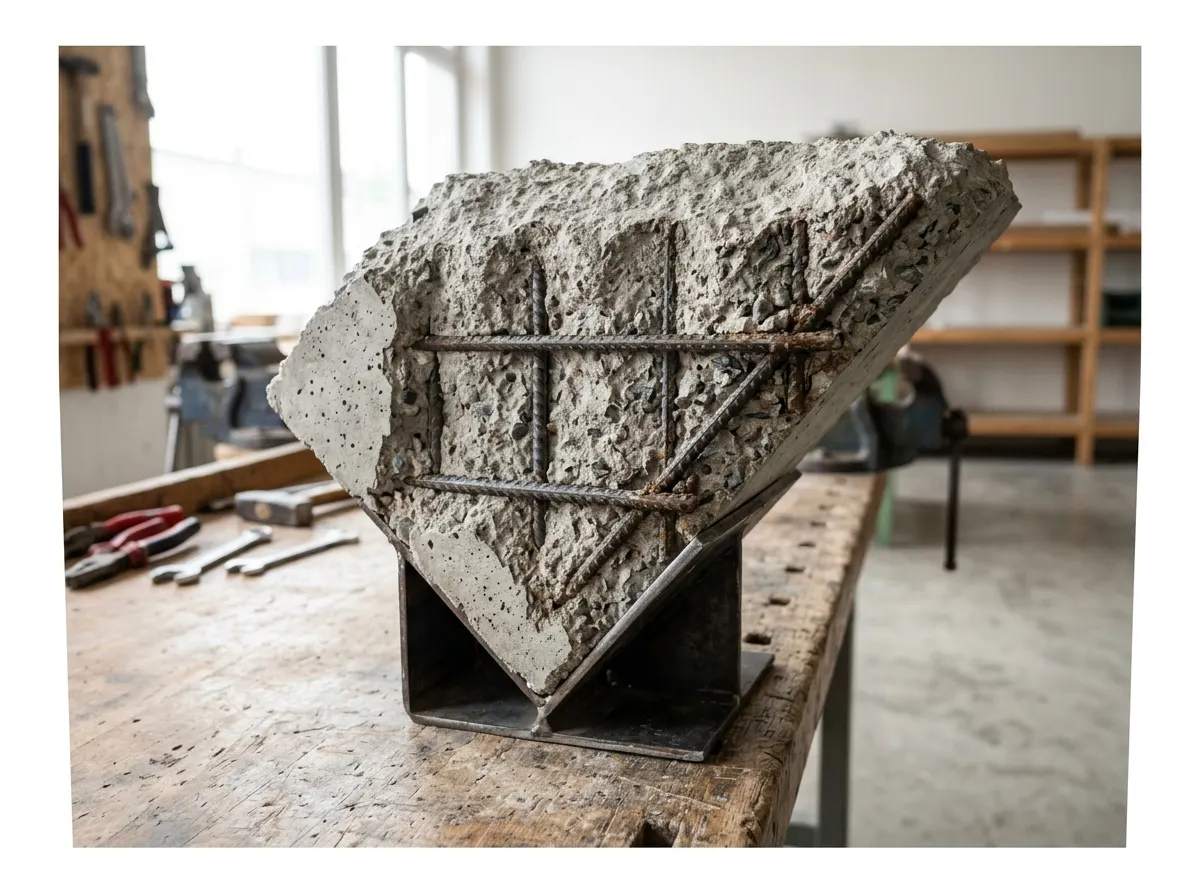
1
Steel-reinforced concrete panels stop break-ins cold
A Lidget Compton garage uses steel-reinforced concrete panels engineered to resist forced entry—the density and reinforcement make industrial-grade cutting equipment necessary to breach them. A timber or metal garage invites opportunistic thieves; concrete eliminates that vulnerability entirely.
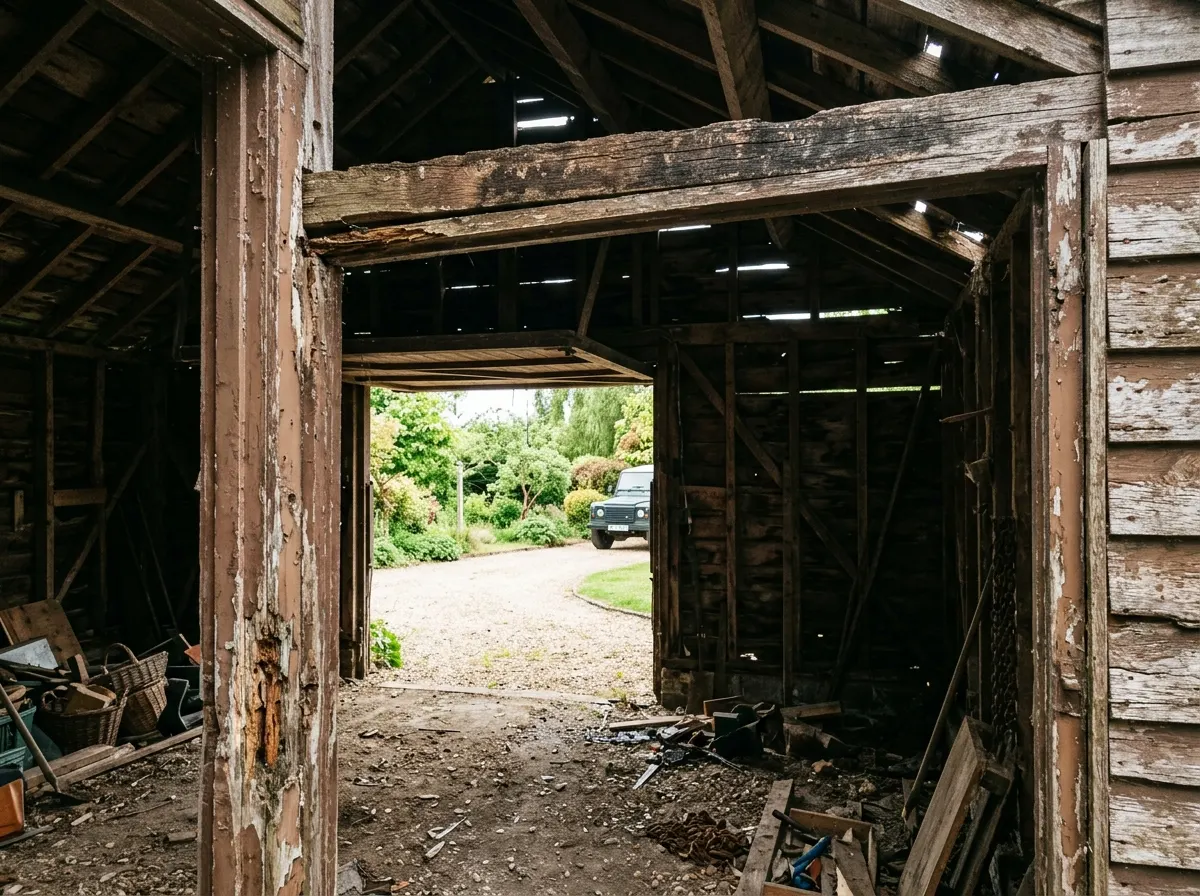
2
Maintenance costs vanish—save £200 annually
Timber garages demand repainting every few years and are vulnerable to rot; metal rusts despite treatment. A Lidget Compton concrete garage requires zero maintenance once installed. Over a 20-year ownership period, that’s £4,000 in avoided repairs, repainting, and rust prevention—money left in the owner’s pocket.
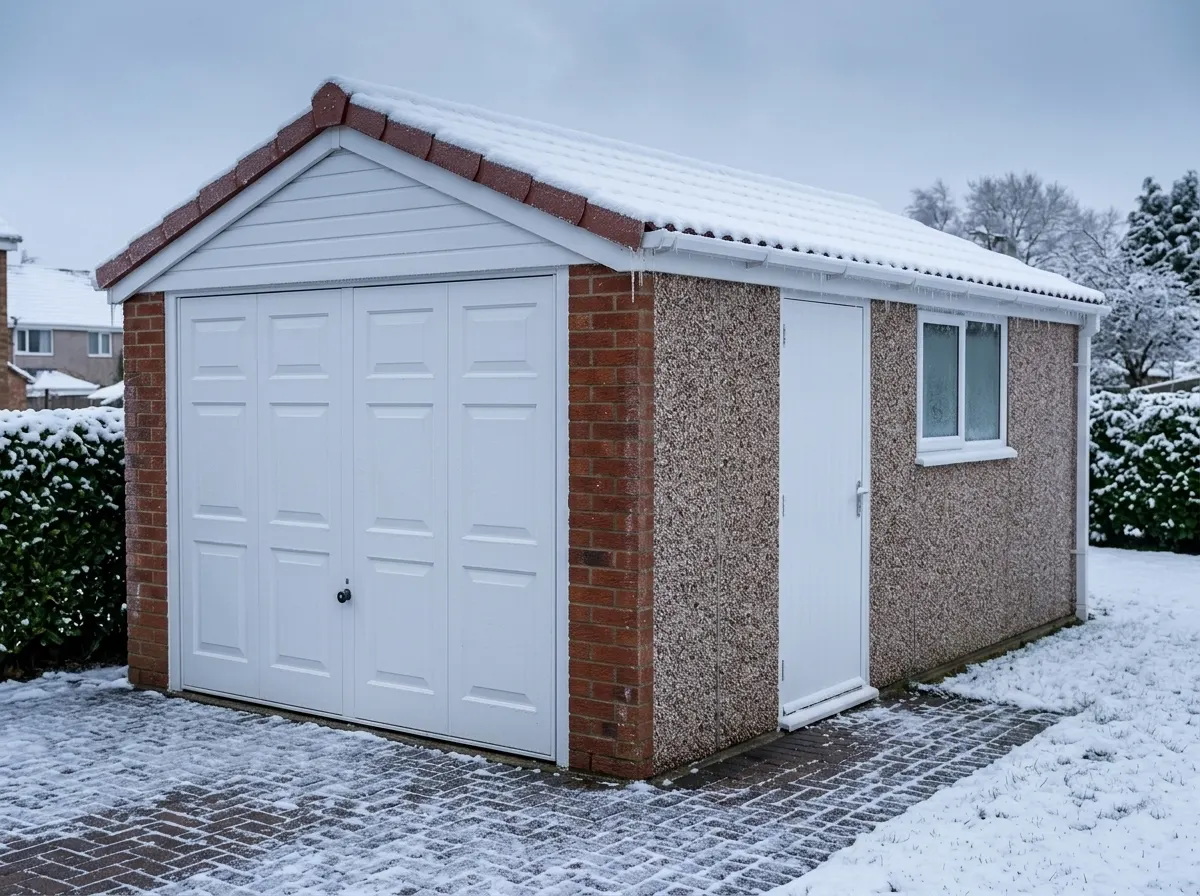
3
Concrete stays intact through decades of weather
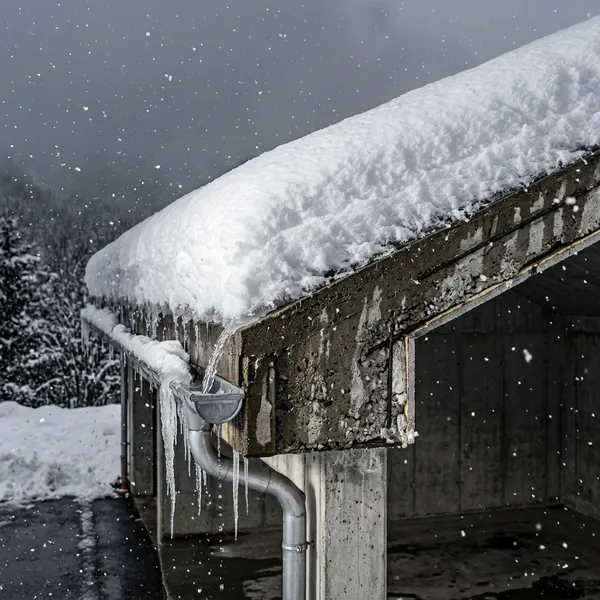
Unlike timber that deteriorates in damp conditions or metal that corrodes under UV and salt exposure, steel-reinforced concrete withstands heavy snow loads, driving rain, and storm winds without degradation. A Lidget Compton garage installed in 1985 performs as reliably today as the day it was built—no annual maintenance, no seasonal repairs.
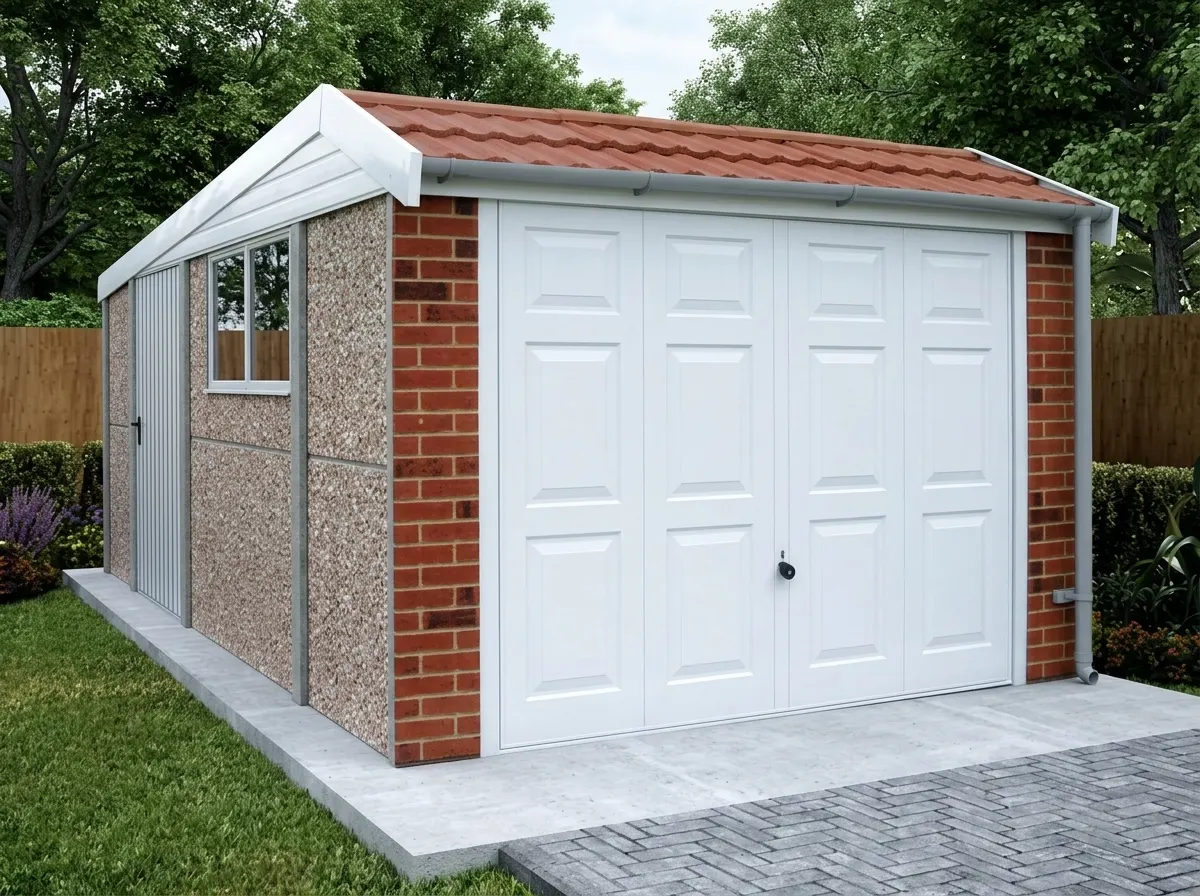
4
Sectional design means you take it with you
A Lidget Compton garage is not a permanent fixture bolted to the earth—it can be dismantled and reassembled if the owner relocates. That means the 10-year transferable warranty and decades of utility move with the homeowner, eliminating the anxiety of leaving a major investment behind when selling.
5
German-engineered door system runs smoothly for decades
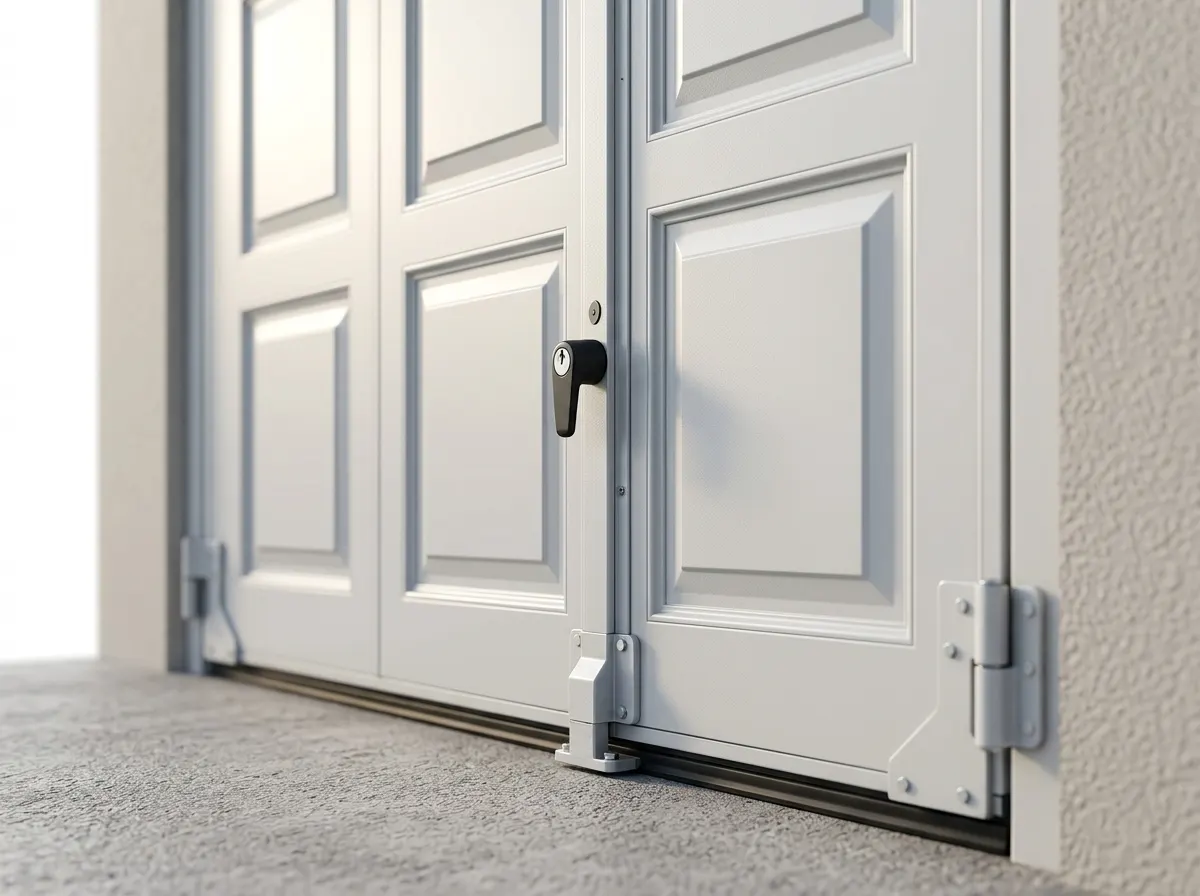
The premium Hörmann door system included with every Lidget Compton garage uses precision German engineering and solid locking mechanisms that operate smoothly through thousands of cycles. A cheap sectional door becomes sticky or misaligned within years; a Hörmann system maintains that first-day operation indefinitely.
What happens week by week?
Concrete sounds like a big undertaking, but the process is handled end to end by qualified specialists. Here’s how it moves from first measurement to a garage you can park in.
Get Started Today
Shop Lidget Compton Concrete Garages →
The questions homeowners ask first
Most people weighing concrete have the same three worries: will it fit my site, do I need planning permission, and is that 10% value uplift real? Here are the honest answers.