

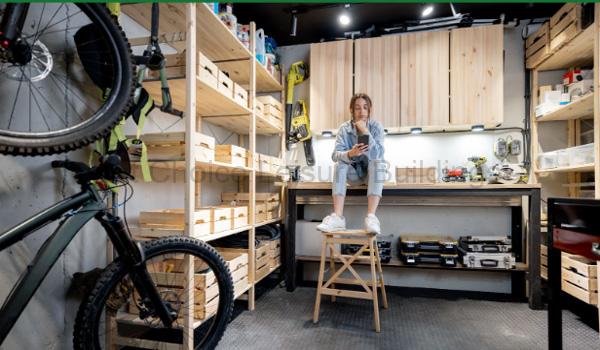
Essential Garden Workshop Ideas for Modern Gardeners

It might be a dramatic statement, but having a shed conversion workshop can actually be quite life-changing.
Instead of using a cobbled-together corner in the spare room, a hobby shed or workshop gives you a permanent, dedicated space and a ton of freedom.
It’s a trend that has taken off in recent years, thanks in no small part to rising house prices and a shift towards remote working. People now look more closely at the space they already have.
And why not? Renting a space elsewhere is jaw-droppingly expensive, but a shed conversion is a fraction of the cost.
This guide explores the best garden workshop ideas, from planning your shed conversion to examples of how different hobbies can make good use of the space. But first, what are the benefits of having a dedicated hobby shed?
Why a Garden Workshop is the Ideal Space for Hobbies
There is an odd, unexpected sense of pride unlocked when you have a shed conversion that’s yours alone. It’s a purpose-built retreat where hobbies can grow without clashing with everyday life.
Dedicated Space
Working at the dining table isn’t ideal, with the constant packing and unpacking of equipment draining motivation. A hobby shed removes that hassle.
Wood shavings from yesterday’s project, an easel mid-painting, or half-finished models can stay exactly where you left them. When you walk back in, you can pick up right where you left off.
Increased Productivity
Organisation is one of the biggest benefits of a shed conversion workshop. Tools stay on their racks, supplies are kept close by, and shed lighting is designed especially for your work.
Instead of wasting time gathering everything together, you can focus entirely on your project. The end result is more progress in less time.
Distraction-Free Zone
A separate space also means mercifully fewer interruptions, with household noise and distractions blocked out when you close the workshop door behind you.
For many people, that short walk down the garden is enough of a mental shift to get into workshop mode. It’s a subtle change, but it can make all the difference in focus and creativity.
Facilitates Larger Projects
Some hobbies simply aren’t compatible with indoor life, such as building furniture, welding, or even large-scale art projects. They all need a dedicated space. A garden workshop gives you that room without filling your living area with clutter. Better still, you can pause bigger projects mid-way without disrupting family life.
Planning Your Shed Conversion Workshop
The most realistic, potentially successful garden workshop ideas commence with good planning. By thinking about the raw fundamentals early, you will spare yourself frustration and make the space genuinely enjoyable to use.
Choose the Right Shed
Timber workshops are probably the most adaptable because they offer easy insulation and interior customisation options. Shiplap cladding, with its interlocking boards, is a popular choice for durability.
Metal sheds score highly on security but can be harder to insulate, while concrete or sectional buildings offer strength and longevity but cost more upfront. Think about what best meets your hobby and budget.
Size and Layout
Not to state the obvious, but the size of your workshop is an important factor. For casual hobbies, a 10x8ft shed may be perfectly adequate, but if you’re running power tools or working on larger projects, you will definitely appreciate the extra space of a 12x10ft or bigger structure.
Height is important, too, as taller sheds allow vertical storage and shelving. Either way, sketching a floor plan helps – just mark out where benches, sockets, and windows will go. Properly planning the general flow of the hobby shed or workshop makes it far easier to work efficiently.
Foundations and Flooring
Concrete is the best choice for heavy-duty projects, supporting machinery without shifting. Paving slabs can work sufficiently for medium setups, while a timber base is fine for lighter hobbies. If you are expecting heavy loads inside the shed, reinforce the flooring.
Insulation and Heating
Shed insulation is a prerequisite, given the gloriously unpredictable summers and cold winters in the UK. Popular options include PIR boards, mineral wool, and reflective foil insulation. For the best results, insulate the walls, roof, and floor so the building holds heat and stays comfortable year-round. It’s also great for soundproofing music studios.
Electrics
Shed electricity turns a shed into a functional workspace, although please remember that a qualified electrician is essential to install safe wiring.
First, decide how many sockets you’ll need — four is a good starting point, but more may be required for workshops with multiple machines. Overhead strip lighting gives high visibility, while task lights help with detailed work.
Lighting and Ventilation
Large windows or fully glazed fronts brighten the space, while skylights provide overhead illumination without sacrificing wall storage. Think about using artificial lighting to complement this, supported by LED strips or daylight bulbs.
Ventilation is equally important, with cross-ventilation (via opposite windows) the best approach. Extractor fans or roof vents are a must-have for woodworking, painting, or metalwork.
Creative Garden Workshop Ideas for Your Hobbies
Once you have the practical side figured out, it’s time for the fun part: designing the workshop to fit your interests. Let’s take a look at some of the most popular directions to take:
The Woodworking Workshop
Woodworking requires strength and order. A heavy bench, ideally bolted down for stability, forms the centre, while pegboards or wall racks keep chisels, hammers, and saws close at hand. Dust extraction systems (or at least strong ventilation) are essential to control sawdust. Storage boxes or labelled drawers for screws, nails, and fittings help maintain order.
The Artist’s Studio
Position easels near windows, and consider skylights for overhead brightness. White or neutral-coloured walls prevent distortion of tones. Shelving units store supplies neatly, and a comfortable chair or stool helps for longer sessions. If possible, add a sink for brush cleaning.
The Potting Shed & Botanist’s Nook
A hobby shed can act as a potting workshop for gardeners, and it’s fairly easy to set up. Just install a waist-height bench for comfortable planting, with shelves above for seed trays, and wall racks to keep trowels and forks tidy. Simple. Grow lights extend the season, while a small heater protects young plants in winter.
The Metalworking / Welding Shop
As the name implies, a metalwork shed workshop requires a more sturdy setup. For example, a heavy-duty bench resists knocks, while strong ventilation removes fumes. Fire-resistant wall panels add safety (and peace of mind), while lockable storage keeps welding gear secure.
The Music/Recording Studio
Insulation doubles as soundproofing, while foam panels improve acoustics. Add a sturdy desk for mixing equipment, a comfortable chair, and cable trays to tame clutter. Rugs soften echoes and improve comfort.
The Craft or Sewing Room
Crafters and sewers need large tables and organised storage. A cutting table at the centre, along with modular drawers and shelving, makes the most of the space. Good task lighting, as always, is important for fine detail.
The Tech Tinkerer’s Lab
If you enjoy electronics or model building, a shed can become almost a mini-laboratory, of sorts. Install anti-static mats, small parts organisers, and magnifying lamps. Remember that plenty of sockets are needed for soldering irons, chargers, and computers.
The Home Brewing Corner
This is a niche hobby, but it is growing quickly. A shed conversion workshop can become an amazing (albeit small) brewing station with room for fermenters and storage for bottles. Good ventilation and temperature control are more essential than ever, though.
Security for Your Workshop
Workshops often house expensive equipment, so hobby shed security is something worth taking quite seriously.
- 🔒 Windows and Doors: Choose toughened or laminated glass, fit proper locks, and use security screws on hinges.
- 🔒 Locks: Upgrade to a mortice lock or heavy-duty padlock instead of relying on basic fixtures.
- 🔒 Lighting and Alarms: Motion-sensor lighting deters intruders, while shed alarms add another layer of defence.
- 🔒 CCTV: Affordable Wi-Fi cameras let you monitor your hobby shed from your phone.
- 🔒 Insurance: Check your policy. Some home insurance covers outbuildings, others don’t. Adding coverage is often inexpensive compared to replacing stolen tools.
Think about visibility too. A shed conversion workshop hidden behind trees will probably benefit from stronger measures than one easily seen from the house.
Garden Workshop Ideas: Final Thoughts
It comes with perfectly good reason why garden workshops have become so popular in recent years – they add to your property by creating a dedicated space for focus, productivity, and creativity. The right setup makes every project smoother and more enjoyable.
The process isn’t complicated, either: just choose the right shed, lay strong foundations, insulate, plan electrics, and make it secure. From there, the fun begins — designing the space to echo your hobby.
Bring Your Garden Workshop Ideas to Life
If you have been dreaming of your own hobby shed, now’s the time to make it happen, and it’s probably far more affordable than you might suspect. Browse our garden sheds for sale, and start turning those garden workshop ideas into the dedicated workspace you’ve been missing!
FAQs For Garden Workshop Ideas
- Can I run electricity to a garden workshop?Yes, but shed electrics should always be fitted by a qualified electrician. They will ensure wiring a shed is safe, compliant with UK regulations, and capable of running your tools.
- Do I need insulation in a hobby shed?Yes, insulation is pretty much essential if you want year-round comfort. PIR boards and mineral wool are popular choices, while reflective foil insulation helps in roofs. With proper insulation, heating becomes more efficient, and the shed also feels quieter.
- How secure are garden workshops?Security is very important, especially with expensive tools. Use toughened glass, security-grade locks, and consider motion-sensor lighting or even a basic alarm.
- What hobbies suit a shed conversion workshop?Almost anything works! Woodworking, painting, potting, sewing, welding, or even music production. A hobby shed is flexible enough to adapt as your interests grow.
- What size shed works best for a garden workshop?Most shed conversion workshop projects start at around 10x8ft, which is large enough for a bench and storage. However, if you plan to use heavy machinery or want plenty of space to move around, a 12x10ft or larger is usually a better option.


