Small Gallery of Customer Timber Workshops We’ve Built
Explore our gallery of garden workshops supplied and installed for customers across the UK. From practical spaces for DIY and creative projects to fully equipped workshops for trades and hobbies, discover how a purpose-built garden workshop can transform your outdoor space.
Customers Garden Workshops Supplied

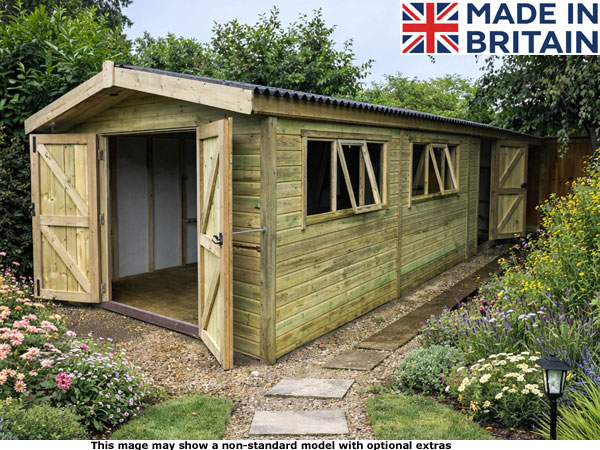
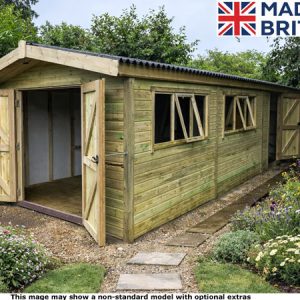
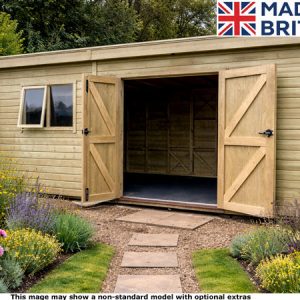
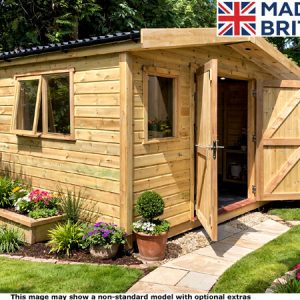
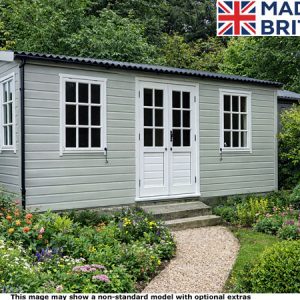
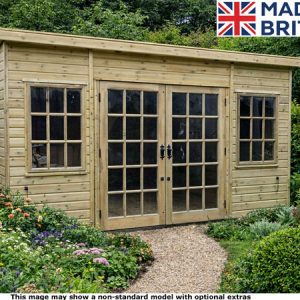
One of our Platinum Fareham workshops, supplied to customer John L. John gave it five stars, praising the “professional and friendly approach,” “incredible service” and “beautifully made workshop.” Thank you for sharing your feedback, John!

Optional extras may be shown. AI-enhanced background; garden workshop unchanged.

Optional extras may be shown. AI-enhanced background; garden workshop unchanged.

Optional extras may be shown. AI-enhanced background; garden workshop unchanged.

Optional extras may be shown. AI-enhanced background; garden workshop unchanged.

Optional extras may be shown. AI-enhanced background; garden workshop unchanged.

Optional extras may be shown. AI-enhanced background; garden workshop unchanged.

Optional extras may be shown. AI-enhanced background; garden workshop unchanged.

Optional extras may be shown. AI-enhanced background; garden workshop unchanged.

Optional extras may be shown. AI-enhanced background; garden workshop unchanged.

Optional extras may be shown. AI-enhanced background; garden workshop unchanged.

Optional extras may be shown. AI-enhanced background; garden workshop unchanged.

Optional extras may be shown. AI-enhanced background; garden workshop unchanged.

Optional extras may be shown. AI-enhanced background; garden workshop unchanged.

Optional extras may be shown. AI-enhanced background; garden workshop unchanged.

Optional extras may be shown. AI-enhanced background; garden workshop unchanged.

Optional extras may be shown. AI-enhanced background; garden workshop unchanged.

Optional extras may be shown. AI-enhanced background; garden workshop unchanged.
Timber Workshop Comparison
Which Timber Workshop Is Right for You?
Our timber workshops range from practical heavy-duty buildings for DIY and storage through to large, highly specified workshops suitable for hobbies, equipment and more regular use. The Platinum Portsmouth, Platinum Southampton and Fareham, and Platinum Winchester each offer different advantages depending on your budget, required size and how much time you expect to spend inside.
| Feature |
Platinum Portsmouth |
Platinum Southampton & Fareham |
Platinum Winchester |
| Best for |
Customers wanting a pressure-treated workshop without moving to the largest Platinum buildings |
Regular workshop, craft, hobby and woodworking use |
Large workshops, studios and multi-purpose working spaces |
| Price position |
££ |
££ |
£££ |
| Typical sizes |
Approx. 8×6 to 20×16 ft |
Approx. 8×6 to 20×16 ft |
Approx. 8×6 to 28×16 ft |
| Pressure-treated Platinum construction |
Yes |
Yes |
Yes |
| Full insulation option |
Available |
Available |
Available |
| Professional assembly |
Included in applicable areas |
Included in applicable areas |
Included in applicable areas |
| Why choose it? |
A good entry point into the higher Platinum workshop specification |
A strong balance of workshop specification, size and extended-use options |
Maximum space and greater potential for a substantial multi-purpose building |
Specifications and available options vary by model, size and configuration. Check the individual building specification before ordering.
Which Timber Workshop Should I Buy?
Choose the Platinum Portsmouth when you want to step up to pressure-treated Platinum construction and have the option of insulation without necessarily requiring the largest workshop.
Choose the Platinum Southampton or Fareham when you expect to use your workshop regularly for woodworking, crafts, hobbies or other projects and want a higher specification that can be adapted for more comfortable extended use.
Choose the Platinum Winchester when size and versatility are the priorities. Its larger available dimensions make it particularly suitable for customers who need substantial machinery, workbench and storage space or want to create a multi-purpose garden workspace.
The best workshop is not necessarily the most expensive one. Consider what you’ll actually keep inside, how much working space you need, and how many hours you expect to spend in the building. This will help determine whether one of the higher-specification Platinum workshops provides better value for you.
Browse our timber workshops or visit our Surrey display site to compare workshop construction and specifications in person.
Choosing and Sizing a Timber Workshop
Choosing the Right Timber Workshop
A proper timber workshop needs to do considerably more than keep tools dry. If you are going to install workbenches, shelving, machinery, or heavy equipment, the quality of the timber frame, cladding, floor, doors, and roof becomes important. I have seen many workshops over the years that looked attractive in a photograph but were not built for regular working use.
Our wooden workshops are built from quality redwood timber rather than cheaper whitewood, with pressure-treated options on selected ranges. Tongue-and-groove timber cladding, substantial framing and proper timber floors create the solid working environment a workshop should provide.
What Size Wooden Workshop Do You Need?
One mistake I have seen repeatedly is buying a workshop based on its empty floor area. A building can look enormous before you put anything inside it. Add a workbench, cupboards, shelving, timber racks, tools and machinery, and that clear space
disappears remarkably quickly.
An 8×6 ft building can work as a compact hobby workshop. In contrast, 10×8 ft gives useful room for a bench and general DIY. Around 12×8 or 12×10 ft gives substantially more working and storage space, while 16×8 ft and larger buildings become much more suitable for machinery, bigger projects and separate work and storage areas. Our large wooden workshops extend considerably beyond this, with selected models available up to approximately 28×16 ft.
My advice is to draw your proposed internal layout before ordering. Mark in your benches, machines, cupboards, and shelving, then make sure you still have enough room to move and work safely. If the garden and budget allow, a little spare space is rarely wasted in a workshop. Our garden workshop ideas guide has further advice on layouts, work areas, equipment and planning a practical workspace.
Heavy-Duty Timber Workshop Construction
A Timber Frame Workshop for Machinery and Serious DIY
If you intend to use machinery or heavier equipment, do not buy on the words “heavy duty” alone. Compare the actual construction. Look at the framing, cladding thickness, floor specification, roof construction and joinery. These details tell you far more about a timber frame workshop than the marketing name.
For demanding woodworking, machinery or substantial storage, take a look at our heavy-duty timber workshops. They are a better starting point when strength, floor capacity and usable working space matter more than simply finding the cheapest building of a particular size.
Diamond or Platinum Timber Workshops?
Our Diamond Barnham buildings are an excellent choice when you want a substantial wooden workshop, plenty of usable floor space and a particularly wide choice of sizes without paying for specifications you may not need. They are well suited to DIY, woodworking, repairs, tools, machinery and general workshop storage.
The Platinum workshop ranges are worth considering when you want a higher specification, pressure-treated timber construction or the option of insulation. Southampton, Fareham and Winchester models provide different roof designs, sizes and layouts, with Winchester extending into some of our largest workshop sizes.
Neither choice is automatically right for everybody. I would choose according to what you are putting inside the workshop, how often you intend to use it and whether paying for a higher specification will give you a genuine long-term benefit.
Insulation, Doors and Workshop Layout
Should You Insulate a Wooden Workshop?
If your timber workshop will mainly be used for tool storage or occasional work during warmer weather, insulation may not be necessary. If you expect to spend several hours at a time inside throughout autumn and winter, it becomes far more worthwhile.
Insulation helps reduce heat transfer and makes a workshop easier to heat, although insulation itself does not create warmth. You will still need an appropriate heat source for a comfortable winter working temperature. Ventilation remains important too, particularly if you are sanding timber, painting, using adhesives or storing tools and materials that may be affected by condensation.
You can compare our dedicated insulated garden workshops if year-round use is important to you.
Doors, Windows and Workshop Layout
I recommend planning the inside of a wooden workshop before deciding where to put the doors and windows. Windows are most useful where they provide natural light over a workbench. Still, too many windows can take away valuable wall space that could otherwise be used for shelving, cupboards or machinery.
Door width is just as important. If you regularly move bicycles, lawn equipment, machinery, furniture or long lengths of timber, double doors can make life considerably easier. Selected timber workshop ranges can be made with alternative door and window positions, allowing the building to work around your equipment instead of forcing you to arrange everything around a standard layout.
Bespoke and Large Wooden Workshops
Standard sizes make sense where they fit the space and intended use, but there are times when a bespoke timber workshop is the better answer. You may need to fit around an awkward boundary, avoid a tree or other obstacle, accommodate large equipment or create separate working and storage areas.
Selected ranges can be produced in bespoke dimensions with alternative door positions, window layouts and other options. If you are considering one of our larger wooden workshops, planning these details before manufacture becomes particularly important because small layout decisions can make a large difference to how useful the finished building is.
Workshop Bases, Installation and Maintenance
Your Timber Workshop Needs a Proper Base
A timber workshop is only as good as the foundation underneath it. I would never recommend cutting corners on the base, particularly with a large workshop or a building carrying heavy machinery. It needs to be firm, flat and level and capable of supporting both the workshop and everything you intend to put inside it.
A poor base can allow the building to settle unevenly and can cause problems with doors, windows and the structure itself. Concrete, paving and correctly constructed supporting frameworks can all be suitable depending on the building and ground conditions. Our garden workshop base guide explains the main options in more detail.
Professional Timber Workshop Installation
Many of these wooden workshops are substantial buildings, particularly once you move into the larger sizes. Professional installation is included with our timber workshop ranges within the applicable delivery areas, meaning experienced installers assemble the structure rather than leaving you with a very large DIY project.
You need a suitable level base and adequate site access. Check gateways, side passages, alleyways, steps, sharp corners and overhead restrictions before ordering. Finding an access problem before delivery is much easier than finding it when the workshop arrives.
How Long Will a Timber Workshop Last?
A good-quality timber workshop, correctly installed and maintained, can provide decades of useful service. Key factors include the original timber and construction quality, the base, weather exposure, and how the building is maintained afterwards.
Pressure-treated timber provides additional protection on applicable ranges, while dip-treated buildings require appropriate ongoing treatment. Whichever building you choose, keep the external finish in good condition, inspect the roof periodically and avoid allowing water or vegetation to remain permanently against the walls. A little regular maintenance is much easier and less expensive than dealing with neglected timber several years later. Our guide to weatherproofing a wooden garden building has more information on protecting timber from the elements.
Timber Workshop Experience Since 1979
Why I Believe Experience Matters When Buying a Wooden Workshop
I’m Robin Antill and my working life with garden buildings began in 1979. I left school at 15 and eventually started my own business trading as Marina Sheds. Those early years taught me the practical side of timber buildings. What works, where manufacturers cut corners and why a building that appears cheap initially is not necessarily good value over its lifetime.
I sold Marina Sheds in 1990. However, unfortunately, I did not receive all the money I was owed from that sale. It was a difficult business lesson, but it certainly did not put me off the garden building industry.
In 1992 we expanded beyond sheds by adding summerhouses, garages, garden rooms and log cabins. That broader direction led us to change our name to Titan Garden Buildings. The same year, my son Craig joined the business after studying carpentry at Guildford College from 1990. His carpentry background added another practical understanding of timber construction to the business.
We sold Titan Garden Buildings in 1998. Then, in 2000, we decided that rather than manufacture or concentrate on only one type of building, we would retail a carefully selected range of quality products from manufacturers we were happy to recommend. That was the beginning of 1st Choice Leisure Buildings.
Craig now runs the day-to-day business, and I support him whenever required. More than four decades after I started Marina Sheds, I still believe the same basic rule applies: understand what the customer genuinely needs and help them buy the right building rather than simply trying to sell them the most expensive one. You can read more about me, Robin Antill, and my experience with garden buildings.
See Timber Workshops Before You Buy
See Timber Workshops Before You Buy
I have always believed that seeing a timber building in person is one of the best ways to judge it. Photographs can’t show you how solid a floor feels, the quality of the framing, the difference between cladding specifications, or how much usable room you really have once you stand inside a particular size.
You are welcome to visit our Surrey garden building display site, near Guildford, Woking and Ripley. You can inspect representative buildings, compare timber and construction details and talk through sizes, layouts, bases and options before deciding which workshop suits you.
Timber Workshop FAQs
What Is a Timber Workshop?
A timber workshop is a wooden garden building designed to provide dedicated working and storage space away from the house. Unlike a basic storage shed, a good workshop normally places greater emphasis on framing, floor strength, natural light, door access and usable internal working space. Timber workshops are commonly used for woodworking, DIY, repairs, bicycle maintenance, machinery, crafts and serious hobbies.
What Is the Difference Between a Wooden Workshop and a Shed?
A shed is often purchased mainly for storage, whereas a wooden workshop is intended to be regularly worked in. That makes floor construction, timber framing, door access, light and internal layout more important. No official dividing line exists between the two, so I recommend comparing the actual specification rather than relying on whether a manufacturer calls a building a shed or workshop.
What Is the Best Size for a Timber Workshop?
There is no single best size because it depends on your equipment and intended use. Around 10×8 ft can provide a useful starting point for a workbench and storage, while 12×8 or 12×10 gives considerably more working room. A 16×8 ft or larger workshop suits machinery and substantial projects better. Always allow for benches, cupboards and circulation space rather than judging the size while the building is empty.
Can I Buy a Large Wooden Workshop?
Yes. Selected ranges extend to about 28×16 ft and suit substantial machinery, multiple benches, extensive storage, or a mix of work areas. Bespoke sizes and layouts are also available on selected models where a standard building does not suit the site or intended use.
Are Timber Workshops Suitable for Machinery?
They can be, but you need to choose the specification carefully. Machinery creates heavier loads than typical garden storage, so pay close attention to the floor, framing, and overall construction. Tell us what you intend to install inside, and we can help you decide whether a standard model or one of our heavy-duty workshops is the better option.
Do I Need Planning Permission for a Timber Workshop?
Many domestic timber workshops can fall within permitted development rights, but this depends on factors including height, position, the property itself and how the workshop will be used. Listed buildings and properties in designated areas can have additional restrictions. Our garden workshop planning permission guide explains the main points, but you should check the circumstances applying to your own property where there is any doubt.
Can a Timber Workshop Be Insulated?
Yes. Full insulation options are available on selected wooden workshops. Insulation is especially worth considering if you plan to spend long periods inside during colder weather, use the workshop year-round, or want a more stable internal environment. See our insulated workshop range for suitable models.
Can I See a Wooden Workshop Before Ordering?
Yes, and I would encourage you to do so if practical. At our Surrey display site, you can walk inside representative garden buildings and compare timber, floors, framing, sizes and specifications for yourself. If you need advice before visiting or ordering, please contact us, and we will be happy to help.
Final Advice on Choosing a Timber Workshop
My Final Advice When Choosing a Timber Workshop
After working with timber garden buildings since 1979, my advice is straightforward: buy the workshop for the job you expect it to do. Allow enough room for the equipment you will actually put inside, compare real construction rather than marketing descriptions, prepare a proper base, and think carefully about doors, windows, and access before ordering.
A well-chosen timber frame workshop should not simply give you somewhere to store things. It should provide a practical working environment that you enjoy using for many years. You can compare our complete range of garden workshops if you are still deciding which construction or specification suits you best. If you are unsure which specification or size is right, talk to us. Craig, I, and the 1st Choice team will help you work through the options.


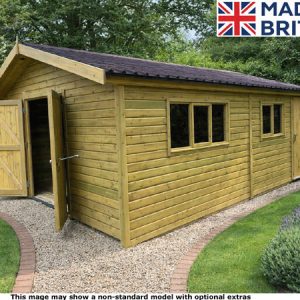 From £2998
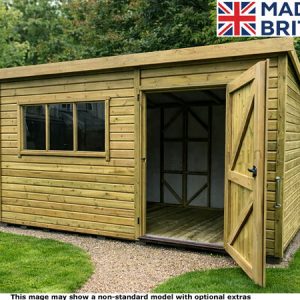 From £2998
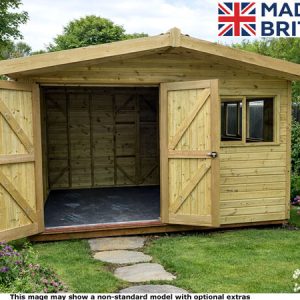 From £2998
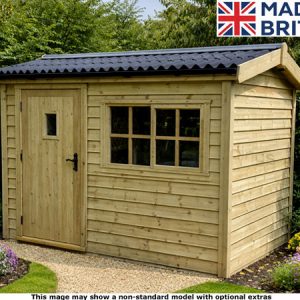 From £2789
 From £2789
 From £2789
 From £2789
 From £3928
 From £3928
 From £3928
 From £4953