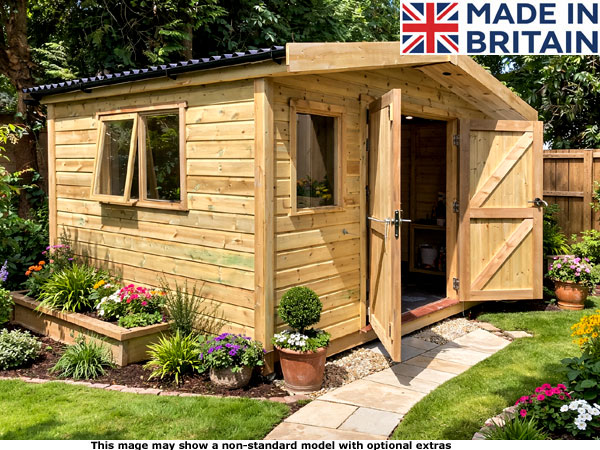
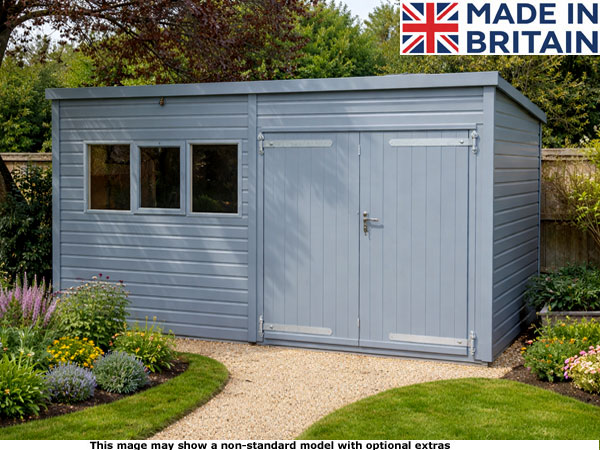
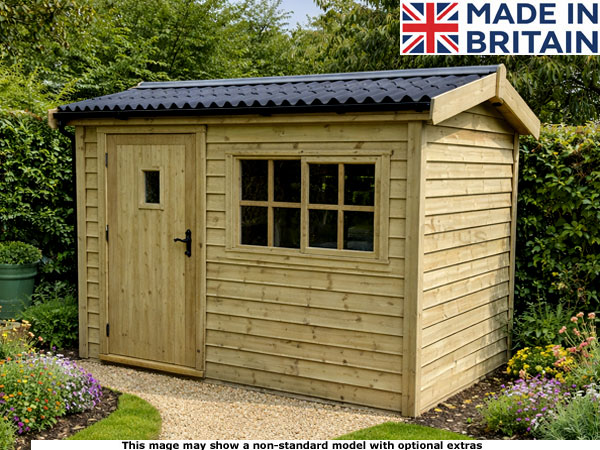
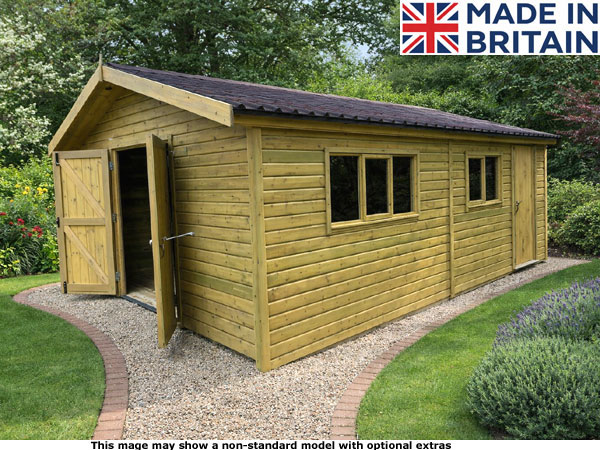
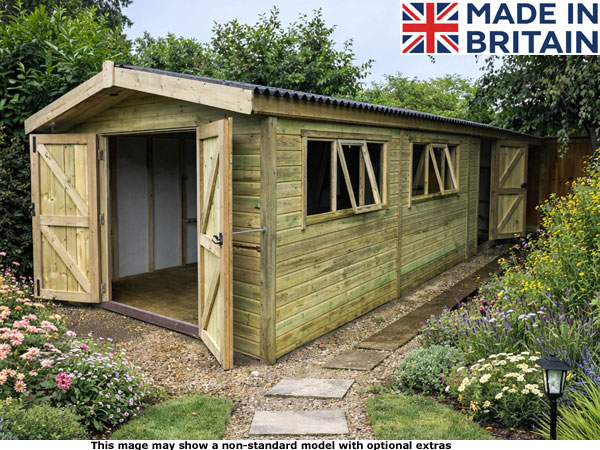
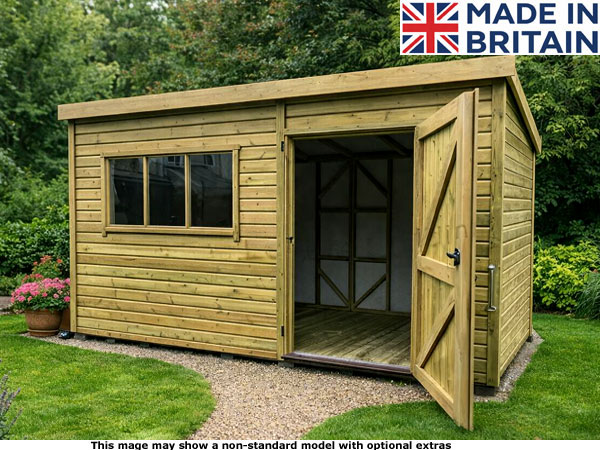
Garden Workshops at a Glance
Prices: Wooden workshops start from £1,106, metal workshops at £1,608 . Models: 19 styles . Construction: Quality timber workshops with heavy-duty options available · Sizes: Standard and made-to-order sizes available · Glazing: Toughened glass on our wooden workshop ranges · Floors: Timber floors and roofs on selected ranges · Styles: Apex, pent, reverse apex and transverse designs.
Uses: Woodworking, DIY, hobbies, repairs, machinery and secure tool storage · Insulation: Fully insulated options available · Installation: Free professional installation on our wooden workshop ranges, subject to delivery area · Doors: Single and double-door configurations available · Finishes: Colour paint options available · Customisation: Made-to-order sizes, layouts and upgrades available · See before you buy: Selected garden workshops on display at our Surrey show site near Guildford and Woking.
Need advice? Our experienced team can help with workshop size, construction, layout, insulation, doors, base requirements and installation before you order.
View More Timber Workshop Images
Click on images below to see larger versions of garden workshops
Click on images below to see larger versions of garden workshops
Click on images below to see larger versions of garden workshops
Click on images below to see larger versions of combination garden workshops with shed or extra rooms
Click on image below to see larger versions of insulated workshops (Opens new page)
Options To choose from a large range of colours and make your new
garden workshop special.
Choosing the Right Garden Workshop
Choosing the right garden workshop starts with what you intend to do inside it. A building for storing tools and occasional DIY has different requirements from a workshop containing workbenches, woodworking machinery or equipment used several days a week. Think about how you will use the building first, then compare its size, construction, flooring, doors, windows, insulation and available options.
I’m Robin Antill, founder of 1st Choice Leisure Buildings, and I have worked with garden buildings since 1979. One of the most common mistakes I have seen is buying based on external size and price alone. Two garden workshop buildings can look similar online but differ greatly in timber, framing, cladding, floor, roof, doors, and glazing.
What Is a Garden Workshop?
A garden workshop is a garden building designed to provide practical working space as well as storage. Typical uses include woodworking, DIY, repairs, bike maintenance, crafts, model making, gardening, machinery and keeping tools and equipment organised. If you are looking for inspiration before deciding on your layout, take a look at our garden workshop ideas guide.
The main difference between a shed and a workshop is how you intend to use it. A garden shed is usually bought primarily for storage. If you intend to spend time working inside a garden workshop shed, usable floor space, floor strength, headroom, natural light, ventilation, access and internal layout become much more important.
What Should You Look for in a Garden Workshop?
Don’t judge a workshop simply by its photograph, dimensions or headline price. Look at the specification and compare the timber, framing dimensions, cladding, floor, roof, glazing and doors. A workshop with benches, tools, or machinery needs a specification suited to your planned use.
Many of our timber workshops use quality redwood timber, with pressure-treated construction available on selected ranges. Our main wooden workshop ranges include wooden floors, toughened glass and professional installation, with the exact specification varying between models. Always check the individual product details so you know exactly what is included with the workshop you are considering.
What Size Garden Workshop Do You Need?
As a starting point, an 8ft x 6ft workshop can suit hobbies, basic DIY, tools and a small bench. A 10ft x 8ft gives you more room for a workbench and shelving, while 12ft x 8ft and 12ft x 10ft buildings provide considerably more flexibility for equipment and storage. Larger 16ft x 8ft, 20ft x 8ft and 20ft x 10ft workshops can provide space for machinery, larger projects or separate working and storage areas.
These sizes are guides rather than rules. I recommend drawing your proposed layout before ordering. Put your workbench, shelving, cupboards, machinery, and storage onto the plan, then look at the space left for working. If it already looks cramped on paper, consider moving up a size if your garden and budget allow. You can compare popular sizes including our 12×8 workshops, 16×8 workshops and 20×8 workshops.
Do You Need a Heavy-Duty Garden Workshop?
For gardening equipment, tools, hobbies and lighter DIY, you may not need the highest workshop specification available. If you intend to carry out regular woodworking, install machinery, store heavier equipment or want a more substantial building, compare our heavy-duty garden workshops. When comparing workshop sheds for sale, look beyond descriptions such as “heavy duty” and compare the actual framing, cladding, flooring, roof construction and joinery.
Do You Need an Insulated Garden Workshop?
If your workshop will mainly be used for storage or occasional DIY in warmer weather, insulation may not be necessary. If you expect to spend longer periods working inside throughout autumn and winter, an insulated garden workshop is worth considering.
Insulation helps reduce heat transfer and makes maintaining a comfortable internal temperature easier, but it does not generate heat. A workshop used regularly through winter may still require suitable heating, while good ventilation remains important for managing condensation, dust and fumes.
Plan Your Workshop Doors, Windows and Interior Together
Plan the inside of your workshop before deciding where you want the doors and windows. Natural light over a workbench can be useful, but every window also takes away wall space that could otherwise accommodate shelving, cupboards or tool boards. Think about your working position, storage and machinery before settling on the layout.
Door width is equally important. If you need to move bicycles, machinery, lawn equipment, furniture or large sheets of timber in and out, double doors can make a considerable difference. Our garden shed doors guide explains some of the points to consider when choosing suitable doors and thinking about door height and access. Selected garden workshop ranges allow alternative door and window positions, enabling you to design the workshop around your equipment rather than trying to fit your equipment around the building afterwards.
What Base Does a Garden Workshop Need?
A substantial garden workshop needs a firm, flat and level base capable of supporting the building and its contents. This is one area where I would never recommend cutting corners. A poor foundation can allow a building to settle unevenly, potentially affecting its structure and the operation of doors and windows.
Concrete, paving and properly constructed supporting frameworks can all be suitable in the right circumstances. The best option depends on the workshop, ground conditions and intended use. Read our garden workshop base guide for more information, or ask us about the base-building services available.
Professional Garden Workshop Installation
Our wooden garden workshop ranges include professional assembly within applicable delivery areas, so your building is assembled by experienced installers rather than being left as a substantial DIY project. Assembly services are also available for our metal workshop buildings.
You will need to provide a suitable level base and adequate access to the installation area. Check side passages, gates, alleyways, steps and tight corners before ordering and tell us about any restricted access. Resolving an access or base issue beforehand is much easier than discovering it when the installers arrive.
Can You Have a Bespoke Garden Workshop?
Yes. Selected timber garden workshop buildings are available in bespoke sizes and layouts. Depending on the range, options can include alternative dimensions, door and window positions, cladding, colour finishes, insulation and other upgrades.
Bespoke options can be particularly useful when your garden dictates an unusual building size or when workbenches, machinery and storage require a specific internal arrangement. If a standard workshop doesn’t quite meet your requirements, complete our garden workshop quote request and tell us what you need.
7 Garden Workshop Buying Mistakes to Avoid
1. Buying a Workshop That Is Too Small
Workbenches, cupboards, shelving, tools and machinery quickly consume the apparent space inside an empty workshop. Plan the internal layout before ordering and leave yourself enough room to work comfortably.
2. Comparing Price Without Comparing Construction
Two workshops with identical dimensions can have very different specifications. Compare timber, framing, cladding, flooring, roofing, glazing, doors and installation rather than assuming the cheapest building represents the best value. Our garden shed buying guide explains more of the points worth comparing before choosing a garden building.
3. Planning Doors and Windows Before the Interior
A badly positioned window can remove valuable shelving space, while an unsuitable doorway can make moving machinery unnecessarily difficult. Plan your benches, equipment, and storage first, then decide where the doors and windows will work best.
4. Underestimating the Importance of the Base
Even a high-quality workshop cannot perform as intended on a poor foundation. Make sure the base is suitable for the building, firm and level before installation.
5. Forgetting About Delivery and Installation Access
Your workshop has to reach the garden before it can be assembled. Measure gates, passages and awkward corners and let us know about restricted access before delivery.
6. Leaving Electrics Until the End
If you intend to have lighting, sockets or powered machinery, think about their positions while planning the workshop. Read our guide to wiring a garden shed for more information about planning electricity for a garden building. A suitably qualified electrician should undertake any electrical installation.
7. Forgetting Your Future Requirements
Tools, equipment and hobbies tend to expand. If your proposed workshop already fills your floor plan, consider a larger size or bespoke layout before ordering.
Why Buy a Garden Workshop From 1st Choice Leisure Buildings?
I don’t believe the right workshop is automatically the cheapest or the most expensive. It is the building with the appropriate specification for what you intend to do with it. Our job at 1st Choice Leisure Buildings is to explain the differences between the available buildings so you can make an informed choice.
Our experience includes manufacturing as well as retailing garden buildings. That background is one reason I pay close attention to timber, framing, floors, roofs, doors, glazing and construction rather than judging a workshop from photographs alone. We offer buildings from different manufacturers and at different specification and price levels because one workshop range will never be right for everybody.
I also recommend seeing garden buildings before buying. At our Surrey garden building display site at Sutton Green, between Guildford, Woking and Ripley, you can inspect representative buildings at full size, compare construction and discuss your requirements with us.
Garden Building Experience Since 1979
I’m Robin Antill, founder of 1st Choice Leisure Buildings. I left school at 15 and started Marina Sheds in 1979, manufacturing and selling garden sheds. I sold Marina Sheds in 1990, although unfortunately I did not receive all the money I was due from the sale. By 1992 we had expanded into summerhouses, garages, garden rooms and log cabins, and that broader direction led to a change of name to Titan Garden Buildings.
My son, Craig Antill, joined me in 1992 after studying carpentry at Guildford College from 1990. We sold Titan Garden Buildings in 1998 and, in 2000, formed 1st Choice Leisure Buildings. Instead of manufacturing everything ourselves, we used our experience to offer quality garden buildings from selected manufacturers, allowing customers to compare different products, specifications, and price points.
Today Craig runs the day-to-day business, and I continue to support him and the team whenever required. Working with garden buildings since 1979 has taught me that experience is most useful when you use it to help somebody make a better buying decision. You can read more about our background on the About 1st Choice Leisure Buildings page.
Garden Workshop FAQs
What is the best size for a garden workshop?
There is no single best size. An 8ft x 6ft or 10ft x 8ft workshop may suit lighter DIY and hobbies, while woodworking, machinery, and larger projects may require 12ft x 10ft, 16ft x 8ft, 20ft x 10ft, or larger buildings. Plan your workbench, equipment, storage and working space before deciding.
What is the difference between a shed and a garden workshop?
A shed is normally intended primarily for storage. In contrast, a garden workshop provides usable space in which to work. For regular workshop use, factors such as floor strength, construction, access, natural light, ventilation and internal layout become more important.
Can a garden workshop be used all year?
Yes. If you intend to use your workshop regularly during colder months, consider insulation together with appropriate heating, lighting and ventilation. Our insulated garden workshops are a good starting point if more comfortable year-round use is important.
Are wooden garden workshops installed?
Yes. Our wooden garden workshop ranges include professional assembly within applicable delivery areas. You will need to provide suitable access and a firm, level base ready for installation.
Can I have a bespoke garden workshop?
Yes. Bespoke sizes and layouts are available on selected timber workshop ranges, with options that can include alternative door and window positions, insulation, colour finishes and other upgrades. Ask us about your requirements before ordering.
Can I see garden workshops before buying?
Yes. You can visit our Surrey display site at Sutton Green, between Guildford, Woking and Ripley, to see representative garden buildings and compare construction, specifications and options in person.
More Information In Our Help Articles and Blogs
Choosing the right garden workshop is easier when you know what to look for. Drawing on our experience supplying garden buildings since 1979, we’ve put together practical guides covering everything from workshop ideas and insulation to bases, planning permission, condensation and guttering. These articles should help you plan your workshop properly and avoid some of the common problems we see.
Best Garden Workshop Ideas: A Complete Guide
Not sure how to make the best use of your workshop? Our guide covers practical garden workshop ideas, layouts, and things to consider when planning your new working space.
Eco-Friendly Heating Solutions for Sustainable Garden Workshops
A look at the different ways to keep a garden workshop comfortable in colder weather while considering energy use, running costs and more sustainable heating options.
Check Rules for Planning Permission
Before ordering a workshop, it’s worth checking whether planning permission is likely to be required. This guide explains the main rules and points you need to consider.
How To Build Workshop Base Foundation
A good workshop needs a good base. Learn about suitable foundations, why getting the base level matters, and the different base options to consider before your building arrives.
Understanding Condensation Issues
Condensation can cause problems in any garden building if moisture and ventilation aren’t properly managed. Our guide explains why it happens and what you can do to help prevent it.
Insulated Workshop Guide
If you intend to spend long periods in your workshop throughout the year, insulation is worth considering. This guide looks at insulated workshops and the benefits of choosing a building designed for more regular use.
Understanding Door Height Issues
Door size is easily overlooked when buying a workshop. Check the height and width you’ll need, particularly if you’ll regularly be moving machinery, tools, benches or other large items in and out.
The Importance Of Gutters
Guttering helps control rainwater running from the workshop roof and can help protect the building and surrounding area. Our guide explains why it’s useful and what to consider when fitting it.


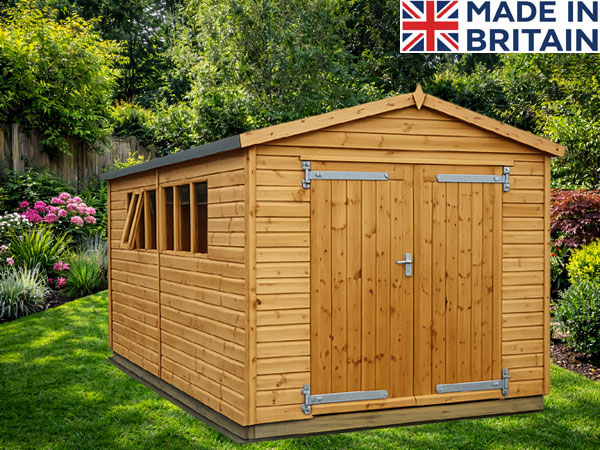
 From £2789
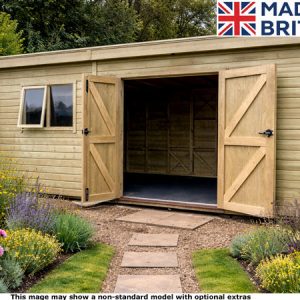 From £2789
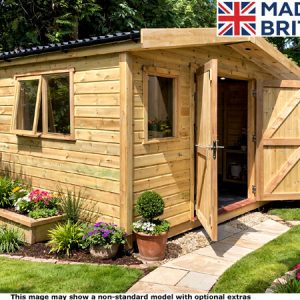 From £2789
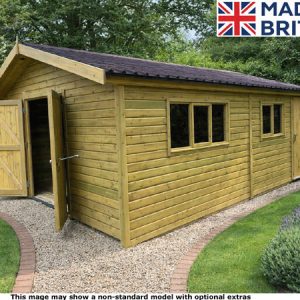 From £2998
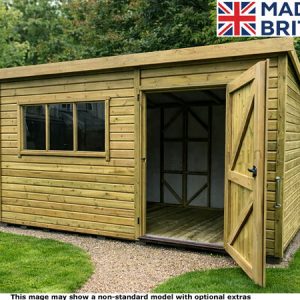 From £2998
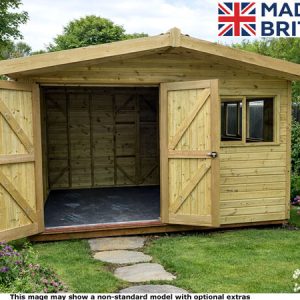 From £2998
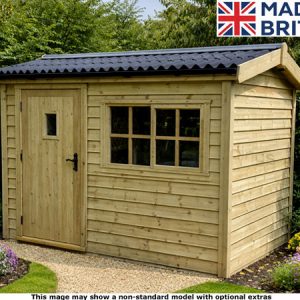 From £2789
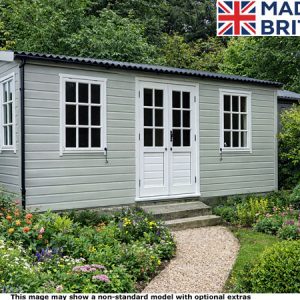 From £3928
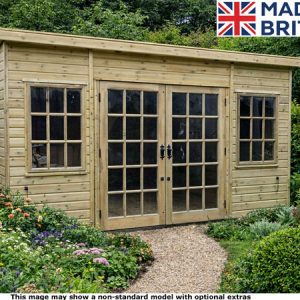 From £3928
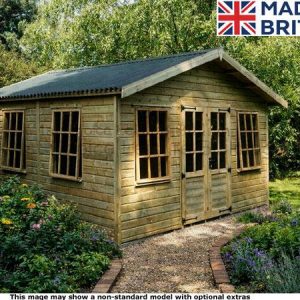 From £3928
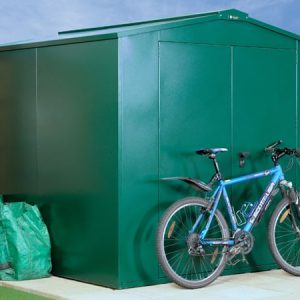 From £1,935
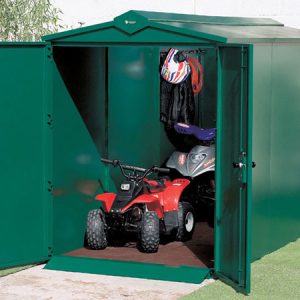 From £1,608
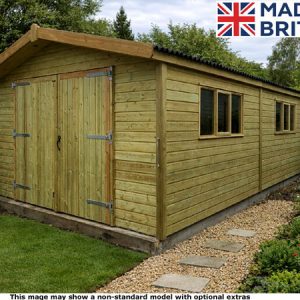 From £4953