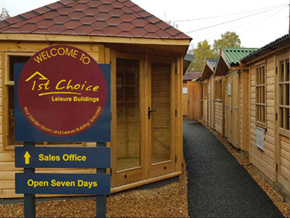
We live quite far away; is it really worth visiting our show rooms?
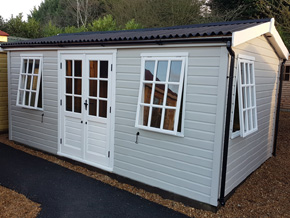
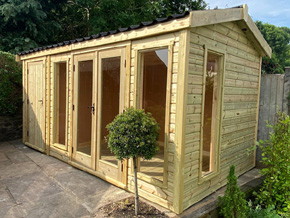
Absolutely! We strongly urge anyone who is looking for a new building – whether it be a new garden shed, summerhouse, workshop, garage or a full garden room – to visit and inspect the quality in advance of committing to anyone.
Whilst we cannot display everything that we can offer we have carefully selected around 80 different buildings which allow us to demonstrate almost every feature in one form or another. So, yes, it is absolutely worth visiting.
If you are unsure then why not walk through our site virtually using our walk through tour below (or click here to open in a new full screen window).
View More Summerhouse Images
Click on images below to see larger versions of summerhouses
Click on images below to see larger versions of summerhouses
l
Click on images below to see larger versions of summerhouses
Click on images below to see larger versions of summerhouses
Click on images below to see larger versions of summerhouses
Click on images below to see larger versions of sumerhouse shed combos
Click on images below to see larger versions of combination garden rooms with shed
We recommend OPTIONAL Demidekk Ultimate log cabin paint range which can be colour matched to suit. See examples in
our photo gallery.Please note that all colour shown are indicative only and will vary depending upon the light on the day the photo was taken. Additionally all screens will display the image differently. If exact colour is essential then please order a sample pot.
1st Choice Summer Houses offer Exceptional Value for Money
When you are looking for a summerhouse that delivers quality and value, you will find our summerhouses are worth considering. Our summerhouses for sale are made from quality redwood deal, not the cheaper whitewood. The structure of the summer building is designed for durability and strength, ensuring a long life of many decades rather than just a few seasons.
What stands out with our buildings is the level of specification as standard. Features like solid timber floors and toughened glass as standard, which eliminate costly upgrades often found elsewhere. This ensures you are getting a top-quality property to start with, without many of the hidden extras that can drive up the price. We also have a dedicated summerhouse showroom in Surrey which is open seven days a week.
Besides that, the inclusion of our summerhouses with installation included is a great feature – nothing extra to pay for this assembly service. All you need is a solid level base for the building to go onto and we can also arrange a base-building service. This adds to your peace of mind knowing the complete job will be in the hands of the experts. Many suppliers do not offer a summer houses delivered and installed service. We have been doing this for over 45 years.
Flexibility in design and layout is crucial and is another important advantage of 1st Choice Leisure Buildings. With sizes suitable for compact gardens right up to large multi-purpose spaces, there should be a size to meet your needs. We offer fully bespoke summerhouses to suit, so there is no need to compromise.
Also, and very importantly, we have been manufacturing summer buildings for over 45 years, and you would be dealing with a trusted family-run business. Our ethos is to always ‘make to a standard and not down to a price’. This policy has stood us in good stead over all those years. Attention to detail, as well as ensuring the best value is achieved, will enhance your home, lifestyle, and property value.
To sum up, the combination of high-quality materials, inclusive services, customisation, and summer houses delivered and installed makes our summerhouses one of the best options available in today’s market.
Planning Permission for Your Summerhouse: Is it Needed?
In most cases, summer houses in the UK do not require planning permission because they are classified as outbuildings under permitted development. However, specific rules apply regarding maximum size, height (particularly near boundaries), and the requirement that the structure occupies less than 50% of your garden.
Planning permission may be required if the summer room will serve as a self-contained living space, is located at the front of your property, or is within a protected area, such as a conservation zone or a listed building.
Most standard summer buildings can be built without issue, but it is essential to check local regulations before beginning your project.
For a comprehensive explanation, please refer to our article Do I need planning permission for a summerhouse?
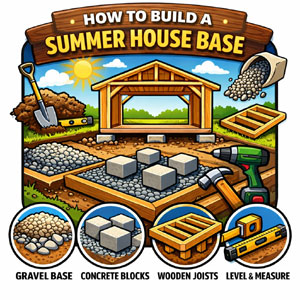
How to Build a Summer House Base
To ensure your new summer house remains stable, level as well as long lasting it is crucial to build a solid base. A proper foundation will prevent movement, protect against moisture and reduce structural damage over time.
A base can be built using paving slabs, a solid one-piece concrete base or timber bearers. A popular option nowadays is a timber sub-frame onto which your new building will go. However, it is important to lay the foundation correctly for long-term durability.
The standard base-building process involves preparing the ground, clearing vegetation, and levelling the area before installing your chosen sub-base. Choosing the right option will depend on the ground conditions, your planned building size, and budget.
With careful planning and the right procedures, you can save money by doing this yourself. Take a look at our comprehensive step-by-step guide and discover everything you need to know.
If you feel it is a little out of your comfort zone, then 1st Choice Leisure Buildings base building services may help you.
Transform Your Garden with Beautiful Summerhouse Colours
A thoughtfully painted summerhouse can be the highlight of your garden. Soft shades like sage green or dove grey create a calm, refined look, while bolder colours such as navy blue, sunflower yellow, or terracotta make your summerhouse stand out. Choosing from these options helps you imagine the perfect atmosphere for your outdoor space.
A summer house enhances your outdoor space, offering extra room and potentially increasing your property’s value. Whether as a retreat, a creative studio, or an extension of your living area, its appearance helps it blend into your garden. The right paint scheme can make your summer house a standout feature or harmonise it with its surroundings.
If you want to refresh your summer house with colour, we can suggest paint schemes to brighten your garden. These ideas, inspired by modern trends and timeless classics, help your summer house become a beautiful focal point in your outdoor area.
For more inspiration, take a look at our Summer House Paint Schemes to Brighten Your Garden | Colour Ideas for more ideas.
Summerhouse Condensation and how to Prevent It.
Gardening in summer houses comprises not just planting and relaxation, but also managing the challenges introduced by unique building conditions, especially condensation.
While gardening is rewarding, issues like condensation can threaten your comfort and plant health. How do you control excess moisture and prevent it from damaging your summer house and garden?
To control condensation and protect your summer house, regularly inspect your building for signs of moisture, apply protective treatments against dampness, and consider ventilation solutions. Start today to ensure your summer retreat lasts.
One such issue is condensation, a common problem in many homes, particularly in summerhouses. Because these structures often have fewer ventilation options and lack slate roofing, extra strategies are needed to minimise condensation and its effects in the growing environment.
Our article ‘Understanding the causes of condensation in summer houses’ explains what causes condensation in summerhouses and provides methods to prevent it, delivering practical guidance toward maintaining a healthy, enjoyable garden environment.
How to Insulate a Summerhouse | Step-by-Step Guide
DIY vs Professional Insulation: Which Approach is Right for Your Summerhouse?
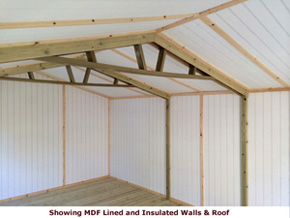
A summer house isn’t just for summer. With insulation, you can use it year-round, turning it into a comfortable, secure space and getting more value from your property. Insulation keeps your space comfortable, helping regulate temperatures and protect from the elements. In winter, it allows you to use less energy by conserving heat and blocking cold air.
Insulating your summer house offers a host of benefits, including
* Enhanced temperature control
* Protection from the element
* Noise reduction,
* A potential increase in your property’s value.
Insulating your summer house is a straightforward process that involves
* Choosing the right insulation
* Preparing the space
* Installing the insulation
* Sealing any gaps
* Adding the finishing touches.
We’ll guide you through each step, noting where DIY and professional approaches differ. If you want to protect your summerhouse and increase its use, take a look at our article ‘How to Insulate a Summerhouse | Step-by-Step Guide’ which covers how and why to insulate it, plus extra tips for best results.
No results!
-
Can you build your own summerhouse?
It is reasonably easy to assemble the smaller buildings if someone can help you move the panels around whilst you screw them together. However, it is very important that you take your time and do the job correctly. This is vitally important for fixing the roof and felting it. If you get it wrong, water may get into your building and damage your possessions. Not a good idea.
However, as standard, 1st Choice includes free installation of the building, which is a far better idea. This saves you a lot of hard work and ensures the summer building is constructed correctly, which will help it last a long time.
However, as standard, 1st Choice includes free installation of the building. This saves you a lot of hard work and ensures the summer building is constructed correctly, which will help it last a long time.
-
Can you buy flat-pack summer houses?
Yes, flat-pack summer houses are available for purchase. We can offer a range of flat-pack summer houses that can be easily assembled on-site. These include Flat Pack Sheds, which offer a range of apex and pent flat-pack summer houses, and Flat Pack Houses, which offer customisable flat-pack homes, including summer houses.
-
Can You Live In A Summerhouse All Year Round?
A lot of people like the idea of having a garden with a summerhouse. It gives you extra space for your gardening tools, lawnmower, and other supplies.
Planning permission is often a worry in the UK. Many people wonder if they can build a garden building without facing too many restrictions.
The answer depends on your situation. Some summer houses still need planning permission, but most do not now because the laws have changed.
In the UK, you are not allowed to live in a summer building all year round because of regulations. These buildings are meant for temporary, seasonal use and usually do not have enough insulation or proper facilities for living through the year. Following local planning laws helps keep your living space safe and suitable.
Read our
summerhouse planning guide and it will help explain the rules about planning permission for garden buildings. By the end, you should know if you need permission for your new summerhouse.
-
How long do summer houses last?
The life of a summerhouse varies according to how it is looked after. The quality of materials used to preserve it, how often it is treated, and the climate are important factors, although most of the UK has similar conditions. However, if a summerhouse is well maintained, it would be expected to last for 20 to 30 years, sometimes even longer.
Some summer houses come with a warranty of up to 10 years, which you might consider a good indication of their durability. However, you will find strict terms and conditions (hidden away) stating you need to treat the building EVERY year. So it is your treatment that is making the building last, not the so-called warranty.
To ensure a long life, it is very important to regularly maintain your summerhouse. Treating all the wood with a high-quality preservative or wood stain is recommended. Check the roofing felt for leaks and around the windows as well. By doing so, you will be able to enjoy your building for a very long time.
-
What are the benefits of different size summer houses?
A summer house has plenty of benefits, ranging from its versatility to the increase in your property value.
- Versatility: Summer houses can be designed as retreats to relax and escape the business of home life or as workshops to indulge in hobbies. These buildings are adaptable for the owners .
- IncreasedProperty Value: Besides the recreational value of a summerhouse - in most instances - it will increase the value of your property if, and when, you decide to sell.
- Customisation: With a broad range of styles, cladding and sizes available to you, summer houses can be easily customised to fit your specific requirements and preferences, ensuring that you end up with a bespoke structure that complements both your garden and your desired aesthetic and functionality.
- Year-Round Use: These days, we can insulate summer houses in various ways, and using insulation as an upgrade will allow you to enjoy your summer house no matter the season. Insulation will help keep the interior cool in the summertime and nice and cosy in the winter, making it comfortable and usable throughout the year.
-
What can a summer house be used for in the garden?
With its amazing adaptability, a summer house can turn your garden into a multipurpose area. Modern summer homes can be made for year-round use with optional insulation, although they are traditionally made to enjoy warm weather.
Here are some ways they can be used:
- Home Office: An excellent way to escape the chaos of the main house and enjoy a private workspace.
- Guest Rooms: Build a summer house to use as guest rooms for visitors who come and stay. This will give them some privacy, and you won’t feel like you’re on top of each other.
- Relaxation Spaces: Away from the main house and the stresses of daily life associated with it, summer houses are great for unwinding or reading a book in a tranquil environment. You can also make it into something more specific, like a yoga studio or a meditation space.
- Entertainment Areas: A stylish setting for hosting gatherings or relaxing with friends and family. You could build a bar for optimal entertainment.
- Art or Hobby Studio: Perfect for pursuing creative passions or hobbies without distractions, and a great place to store all your equipment and goodies separate from the house.
- Playrooms: A dedicated space for your children to play and explore – ideal to minimise noise in the main house.
Our bespoke options allow you to tailor your summer house to almost any purpose, ensuring it meets all your needs and preferences.


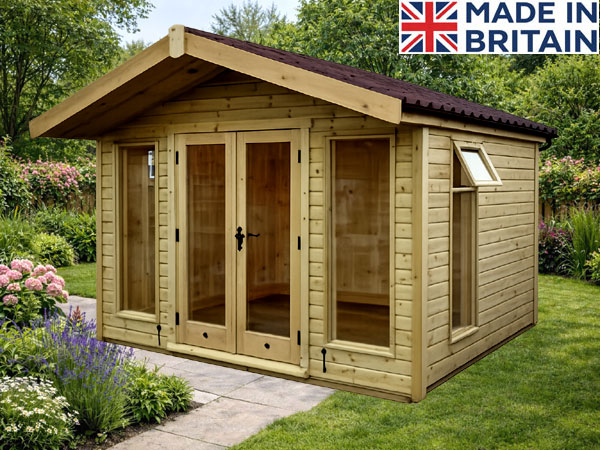
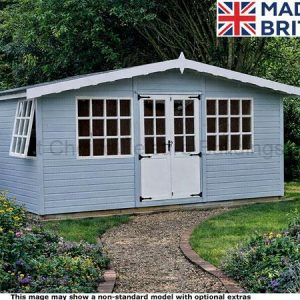
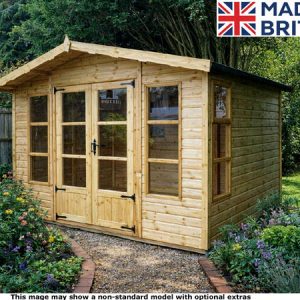 From £1,520
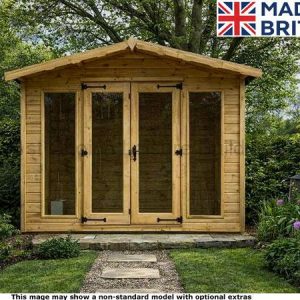
 From £2,114
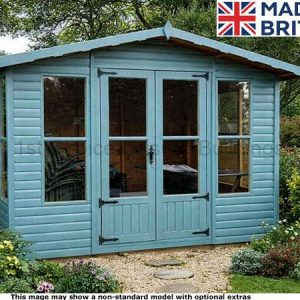
 From £2,114
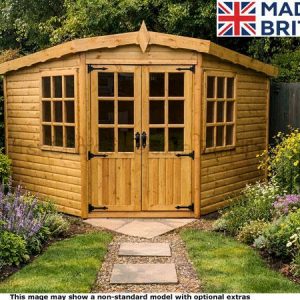
 From £1,705
 From £2,260
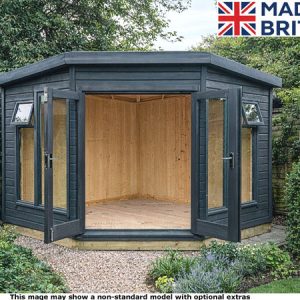 From £3249
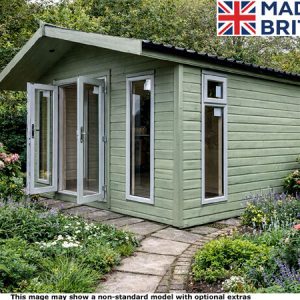 From £4931
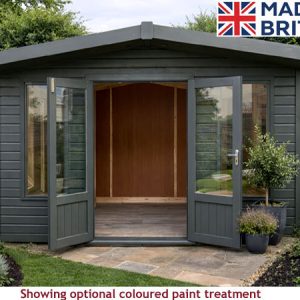 £5,709 Fully Insulated 6ft x 10ft (Also, sizes up to 14ft deep)
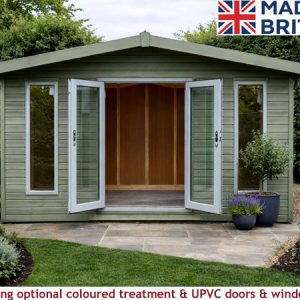 £6,257 Fully Insulated 6ft x 8ft (Also, sizes up to 14ft deep)
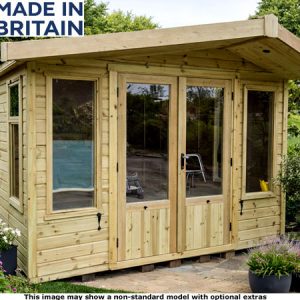 £4,931 Fully Insulated 6ft x 8ft (Also, sizes up to 14ft deep)
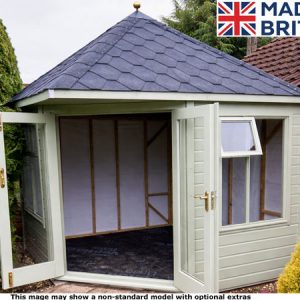 From £3825
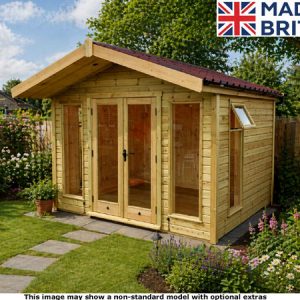 From £3589
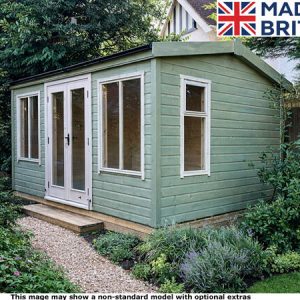 From £3399
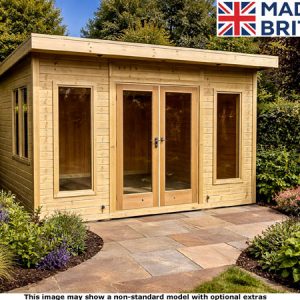 £8,565 Fully Insulated 12ft x 12ft (Also, sizes up to 20 x 12) Free Assembly & Delivery* Double Glazed as Standard UNDER 2.5m Tall Colour Treatment options Optional UPVC Doors & Windows
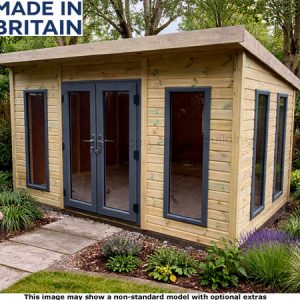 £6,969 Fully Insulated 10ft x 10ft (Also, sizes up to 20 x 10) Free Assembly & Delivery* Double Glazed as Standard UNDER 2.5m Tall Colour Treatment options Optional UPVC Doors & Windows
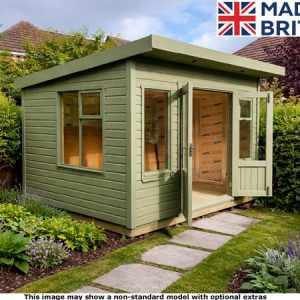 £5,435 Fully Insulated 8ft x 8ft (Also, sizes up to 20 x 8) Free Assembly & Delivery* Double Glazed as Standard UNDER 2.5m Tall Colour Treatment options Optional UPVC Doors & Windows
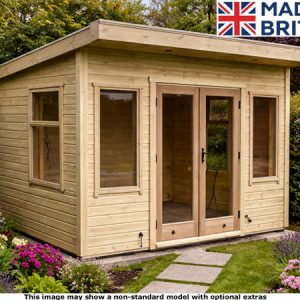 £4,757 Fully Insulated 8ft x 6ft (Also, sizes up to 20 x 6) Free Assembly & Delivery* Double Glazed as Standard UNDER 2.5m Tall Colour Treatment options Optional UPVC Doors & Windows
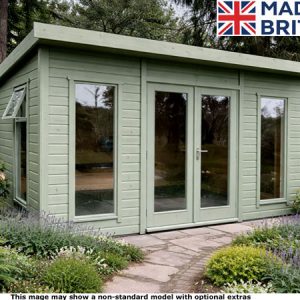 From £4931
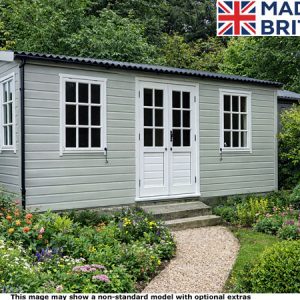 From £3928
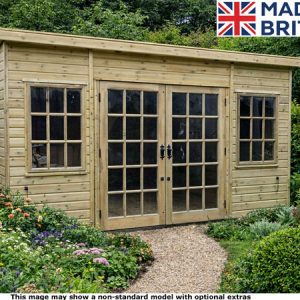 From £3928
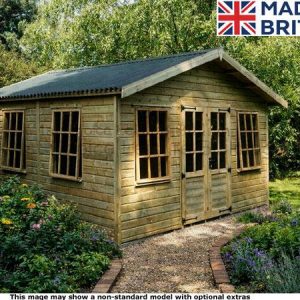 From £3928
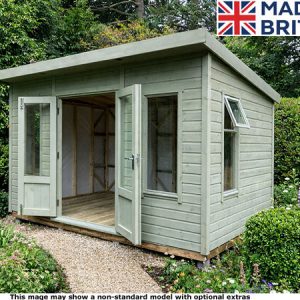 From £3415
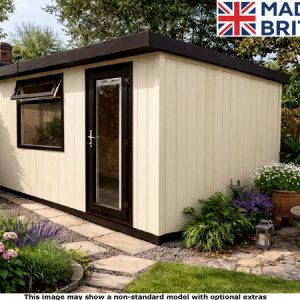 £13,429 Fully Insulated 12ft x 12ft (Also, sizes up to 20 x 12) Free Assembly & Delivery* Double Glazed as Standard UNDER 2.5m Tall Choice of Colours UPVC Doors & Windows Apex Roof Option
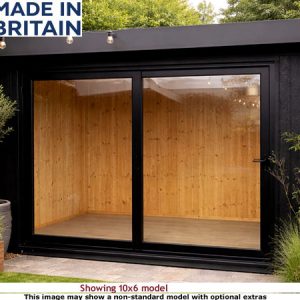 £13,324 Fully Insulated 12ft x 12ft (Also, sizes up to 20 x 12) Free Assembly & Delivery* Double Glazed as Standard UNDER 2.5m Tall Choice of Colours UPVC Doors & Windows Apex Roof Option
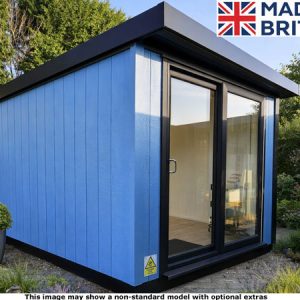 £10,429 Fully Insulated 10ft x 10ft (Also, sizes up to 20 x 10) Free Assembly & Delivery* Double Glazed as Standard UNDER 2.5m Tall Choice of Colours UPVC Doors & Windows Apex Roof Option
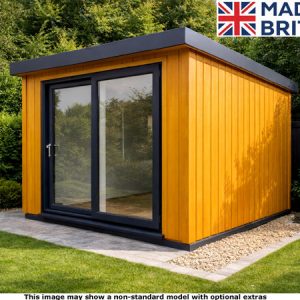 £8419 Fully Insulated 8ft x 8ft (Also, sizes up to 20 x 8) Free Assembly & Delivery* Double Glazed as Standard UNDER 2.5m Tall Choice of Colours UPVC Doors & Windows Apex Roof Option
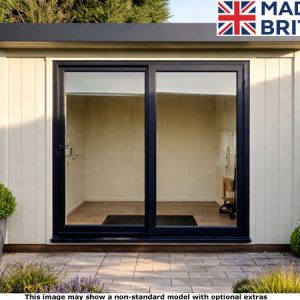 £7,269 Fully Insulated 8ft x 6ft (Also, sizes up to 20 x 6) Free Assembly & Delivery* Double Glazed as Standard UNDER 2.5m Tall Choice of Colours UPVC Doors & Windows Apex Roof Option
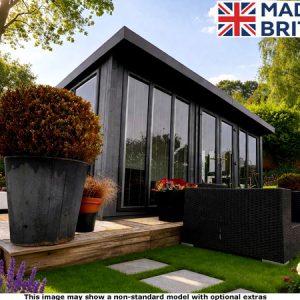 £14,304 Insulated 12ft x 12ft (Also, sizes up to 20 x 12) Free Assembly & Delivery* Double Glazed as Standard UNDER 2.5m Tall Choice of Colours UPVC Doors & Windows Apex Roof Option