Small Gallery of Customer Garden Sheds We’ve Built
Explore our gallery of garden sheds supplied and installed for customers across the UK. From compact storage solutions and traditional timber sheds to spacious designs for gardening, DIY and hobbies, discover how the right garden shed can add practical, attractive space to your garden.
Customers Garden Sheds Supplied

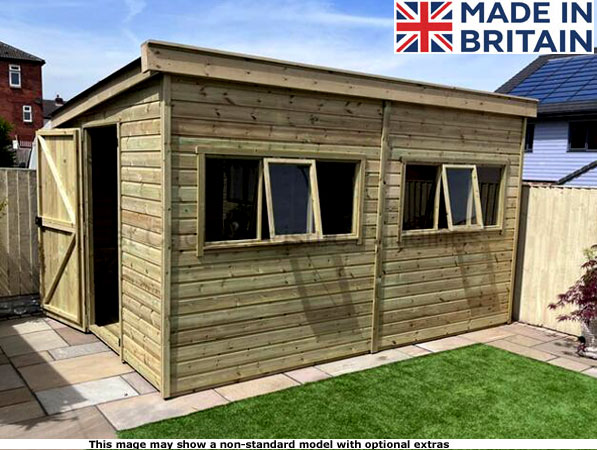
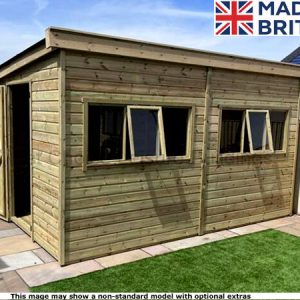
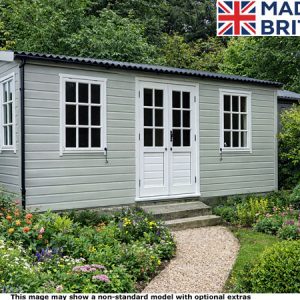
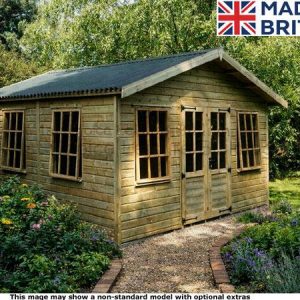
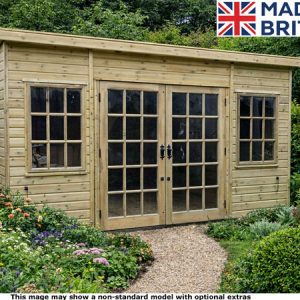
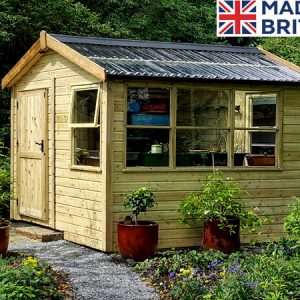
Optional extras may be shown. AI-enhanced background; garden shed unchanged.

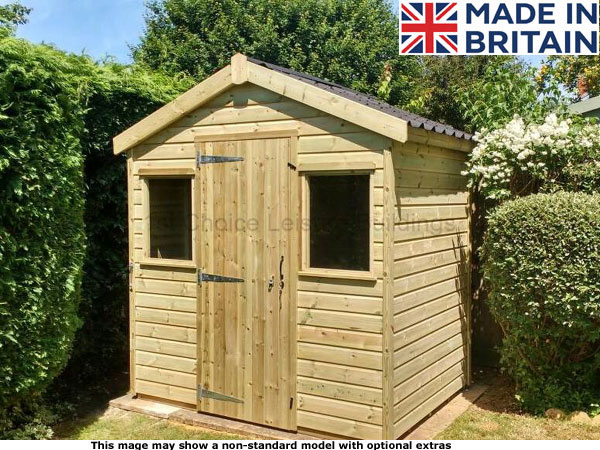
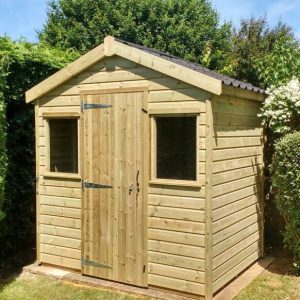
Optional extras may be shown. AI-enhanced background; garden shed unchanged.

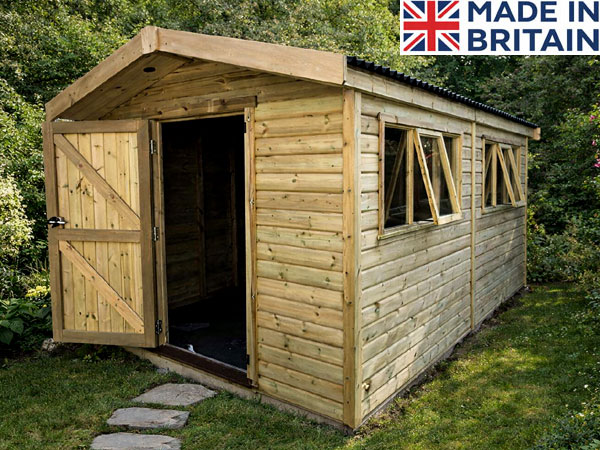
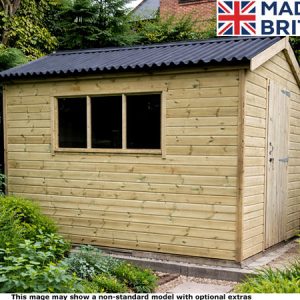
Optional extras may be shown. AI-enhanced background; garden shed unchanged.

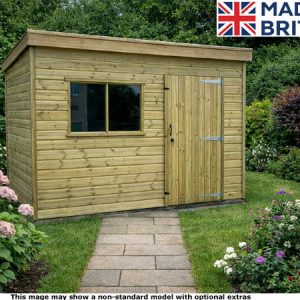
Optional extras may be shown. AI-enhanced background; garden shed unchanged.

Optional extras may be shown. AI-enhanced background; garden shed unchanged.

Optional extras may be shown. AI-enhanced background; garden shed unchanged.

Optional extras may be shown. AI-enhanced background; garden shed unchanged.

Optional extras may be shown. AI-enhanced background; garden shed unchanged.

Optional extras may be shown. AI-enhanced background; garden shed unchanged.

Optional extras may be shown. AI-enhanced background; garden shed unchanged.

Optional extras may be shown. AI-enhanced background; garden shed unchanged.

Optional extras may be shown. AI-enhanced background; garden shed unchanged.

Optional extras may be shown. AI-enhanced background; garden shed unchanged.

Optional extras may be shown. AI-enhanced background; garden shed unchanged.

Optional extras may be shown. AI-enhanced background; garden shed unchanged.

Optional extras may be shown. AI-enhanced background; garden shed unchanged.
Garden Shed Advice and Experience
Garden Sheds – My Advice After More Than 45 Years
I’m Robin Antill, founder of 1st Choice Leisure Buildings. I started making and selling sheds in 1979, and if those years have taught me one thing, it is that two garden sheds that look almost identical in photographs can be very different when you look at how they are actually made.
When comparing sheds, look beyond the headline price. Check the timber, framing, floor, roof, doors, glazing, internal height and overall construction. Most importantly, choose the specification according to what you intend to do with the building. A simple tool store has very different requirements from a shed you plan to use regularly for hobbies or DIY.
Our range covers compact storage buildings through to large garden sheds suitable for machinery, equipment, hobbies and workshop-style use. You can also compare garden sheds by size if you already know the approximate space available.
Why Does My Experience With Garden Sheds Matter?
I left school at 15 and started my own garden building business in 1979, trading as Marina Sheds. Those early years were very hands-on. I made sheds, sold them, delivered buildings and dealt directly with customers, so I learned where timber, framing, floors, roofs and doors really matter once a building starts being used year after year.
I sold Marina Sheds in 1990, although unfortunately I did not receive all the money which was due to me from the sale. It was a difficult business lesson, but it did not end my involvement with garden buildings.
By 1992 we had expanded beyond traditional sheds to include summerhouses, garages, garden rooms and log cabins. As the business was no longer simply about sheds, that broader direction led to the name Titan Garden Buildings.
My son Craig joined me in 1992 after studying carpentry at Guildford College from 1990. His carpentry training brought additional practical knowledge of timber and construction into the business and began the father-and-son involvement which continues today.
We sold Titan Garden Buildings in 1998. In 2000, Craig and I formed 1st Choice Leisure Buildings after deciding that rather than being tied to one manufacturer’s products, we wanted to use our experience to select quality garden buildings from different established manufacturers and give customers a genuine choice.
Craig now runs the day-to-day business, and I remain involved to support him and the team as required. You can read more about my experience with garden buildings and the history of 1st Choice Leisure Buildings.
Choosing a Quality Garden Shed
How Do I Choose the Right Garden Shed?
Start by deciding what the shed needs to do. For lawnmowers, garden tools, bicycles and furniture, practical storage and easy access may be the priorities. If you plan to spend time inside doing DIY, crafts, or hobbies, pay more attention to internal space, headroom and door access, windows, ventilation, insulation, and the overall strength of the building.
I suggest answering three questions before choosing: what you’ll put in the shed, how much space you can comfortably give it, and whether you’ll regularly spend time inside. Those answers will usually narrow down the right size and specification considerably.
If size is your starting point, compare our garden sheds by size. For more detailed buying advice, our garden shed buying guide explains the main points to consider before ordering.
What Makes a Quality Garden Shed?
A quality garden shed is not defined by one feature. I look at the complete building: the timber and cladding, framing, floor, roof, doors, glazing, weather protection, and how the components come together. The right specification also depends on the building’s size and intended use. If you are comparing different levels of specification, it is also worth understanding whether a premium garden shed is worth the investment.
This is why I encourage customers to inspect sheds before buying whenever possible. Photographs are useful, but they cannot tell you everything. Standing inside lets you see the timber and framing, feel how solid the floor is, open the doors, and judge the space and construction for yourself. You can compare our wooden garden sheds online or inspect representative buildings at our Surrey show site.
Types of Garden Sheds
Which Type of Garden Shed Should I Choose?
Apex Garden Sheds
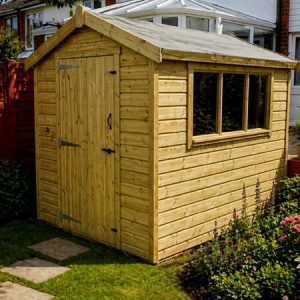
An apex shed has the traditional two-sided roof meeting at a central ridge. It is an excellent all-round design for garden tools, bicycles, lawnmowers, DIY equipment and general storage, with useful internal height towards the centre of the building.
Pent Garden Sheds
A pent shed has a single sloping roof and can work particularly well alongside a fence, wall or boundary. It also offers a simpler, more contemporary appearance. If this layout suits your garden, compare our pent and lean-to shed options.
Reverse Apex Garden Sheds
A reverse apex shed retains the traditional apex roof but changes the position of the main elevation and entrance. This can be useful where the shape of the garden, access route or intended internal layout dictates where the doors need to be.
Small and Narrow Garden Sheds
A restricted garden does not necessarily mean settling for inadequate storage. Small garden sheds and narrow designs can provide useful storage in compact gardens, side passages, and other spaces where a conventional shed would take up too much room.
Corner Garden Sheds
A corner garden shed can make better use of an awkward part of the garden. It may sit more naturally within a landscaped area than a conventional rectangular building positioned across the same corner.
Insulated Garden Sheds
If you expect to spend significant time inside your shed, consider an insulated garden shed. Insulation is unlikely to be necessary for a simple mower store. Still, it can make a worthwhile difference when you use the building for hobbies, crafts, DIY, or other regular activities.
Painted Garden Sheds
If appearance is important, our painted garden sheds offer colour-finish options on selected ranges. My advice is to choose the right building first, then the colour: construction, size, and suitability should come before appearance.
Potting Sheds
If gardening rather than general storage is your priority, a potting shed provides additional glazing and useful working space for seedlings, plants and gardening tasks, while still giving you enclosed storage for tools, pots and equipment. If you are unsure which type of gardening building would suit you best, read our guide to choosing between a greenhouse, potting shed or combination building.
See Garden Sheds in Surrey and Guildford
Garden Sheds Surrey – Can I See Them Before Buying?
Yes. If you are looking for garden sheds in Surrey, I strongly recommend visiting our Surrey garden building display site at Sutton Green Garden Centre, between Guildford and Woking. We normally have almost 80 garden buildings on display so that you can compare sheds, workshops, summerhouses, and other buildings in person.
I have always believed that seeing a garden building before buying is one of the best ways to judge value. You can inspect the construction, walk inside, open the doors, compare different sizes and get a much better understanding of what you are spending your money on.
Where Can I See Garden Sheds Near Guildford?
Our Sutton Green display site is on Whitmoor Lane, Sutton Green, Guildford, GU4 7QA, between Guildford and Woking and close to the A320. This makes it particularly convenient for customers looking for garden sheds in Guildford, Woking and the surrounding Surrey area.
There is also a personal Guildford connection to the business. My son Craig studied carpentry at Guildford College from 1990, then joined me in the garden building industry in 1992. Today he runs 1st Choice Leisure Buildings day-to-day.
If you are comparing garden sheds near Guildford, see our Surrey show site details, directions and opening information before visiting.
Garden Shed Installation and Bespoke Options
Do Your Garden Sheds Include Installation?
Professional fitting is included with many of our main wooden garden shed ranges within applicable delivery areas. Installation arrangements vary by product, manufacturer and location, so check the individual building specification before ordering rather than assuming every shed has identical terms.
The base is equally important. Even a quality shed will not perform as it should on an unsuitable foundation, so consider base requirements before you order.
Can I Order a Bespoke Garden Shed?
Yes. Bespoke sizes, door positions, window positions and other alterations are available on selected garden shed ranges. This can be particularly useful where your available space is unusual, or the shed needs to accommodate specific machinery, bicycles, equipment, shelving, or work areas.
Start by looking at our garden shed sizes, but do not automatically accept the nearest standard size if it compromises what you need. Let us know what you want the building to do, and we can help determine whether a standard or bespoke shed is the better solution.
Garden Shed Sizes and Bases
What Size Garden Shed Do I Need?
Choose a shed large enough for what you need to store now, with some allowance for future requirements. Measure large items such as lawnmowers, bicycles, garden furniture and machinery, then allow room for shelving, door clearance and access between them. If the shed will also be a hobby or working area, allow enough clear floor space to move around comfortably.
Our sheds by size guide lets you compare available dimensions, while our large sheds are worth considering if you need substantial storage or combined storage and working space.
What Base Does a Garden Shed Need?
A garden shed needs a firm, flat and level base capable of supporting the building properly. The best solution depends on the shed’s size and weight, the existing ground, and how you’ll use the building. Getting the base right helps the doors operate correctly, keeps the building properly supported and gives your shed the foundation it needs for long-term use.
Planning Permission and Shed Materials
Do I Need Planning Permission for a Garden Shed?
Many domestic garden sheds can be installed without a planning application because they may fall within permitted development rules, but this depends on factors including position, height, the property and whether the land or building is subject to additional restrictions. Don’t assume every shed is automatically exempt.
If you are unsure, read our guide explaining planning permission for garden sheds. If you need formal confirmation, check your circumstances with the relevant local planning authority.
Are Wooden Garden Sheds Better Than Metal Sheds?
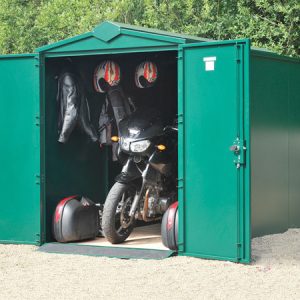
Neither material is automatically better for every customer. I generally favour a quality timber shed when appearance, flexibility, bespoke options and the possibility of using the building for hobbies or working space matter. Metal sheds can make practical low-maintenance storage buildings where those timber-building benefits are less important.
The right answer depends on what you need to store, how you want the building to look and how you expect to use it. You can compare our wooden sheds with our metal garden sheds before deciding.
Why Buy From 1st Choice and Final Advice
Why Buy a Garden Shed From 1st Choice Leisure Buildings?
For me, the difference is experience and genuine choice. I started Marina Sheds in 1979 and learned the garden building business hands-on. After years at Titan Garden Buildings, Craig and I formed 1st Choice Leisure Buildings in 2000 so we could select quality products from different manufacturers rather than being restricted to one source.
That remains important today. Different customers need different buildings. A basic garden storage shed, an insulated hobby building and a substantial workshop should not all be approached in the same way. Our job is to explain the differences and help you identify the specification that makes sense for your needs and budget.
Craig now runs the day-to-day business, and I remain here to support him and the team as required. You can learn more about our family business and history or read more about my first-hand experience with garden buildings since 1979.
My Final Advice Before Buying a Garden Shed
Do not buy a shed purely because it is cheap, and do not judge quality from photographs alone. Decide what the building needs to do, choose an appropriate size, compare the construction and specification, make sure you have a suitable base and, wherever possible, inspect representative buildings before spending your money.
If you are comparing quality garden sheds, looking for garden sheds in Surrey or want to see sheds near Guildford, visit our Surrey garden building display site. Craig, our team and I will be happy to help you compare options and find a building that genuinely suits your needs.
Robin Antill
Founder, 1st Choice Leisure Buildings
Working with sheds and garden buildings since 1979


 From £1449
 From £1449
 From £1449
 From £1449
 From £1449
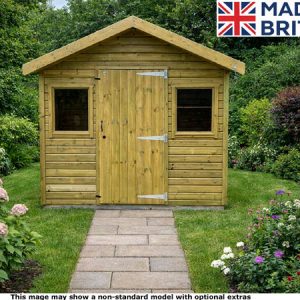 From £1449
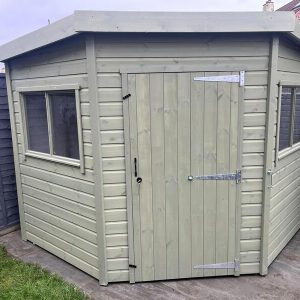 From £3249
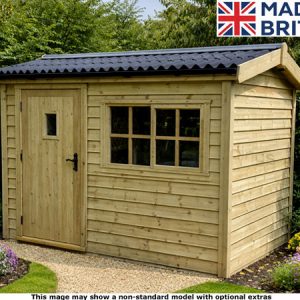 From £2789
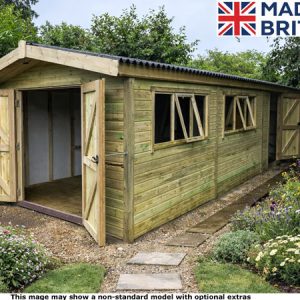 From £2789
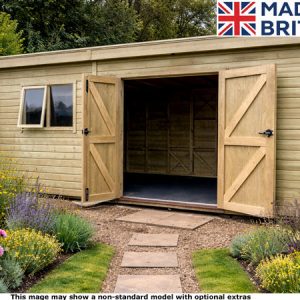 From £2789
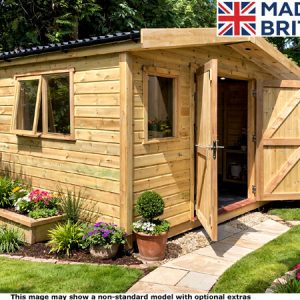 From £2789
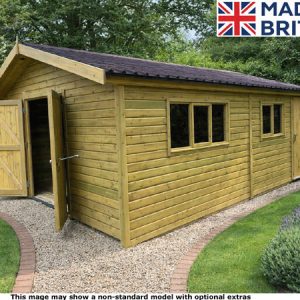 From £2998
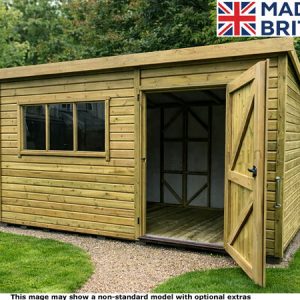 From £2998
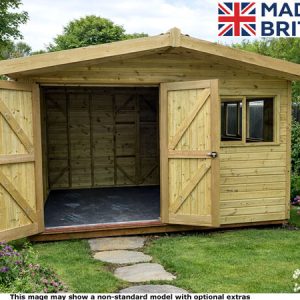 From £2998
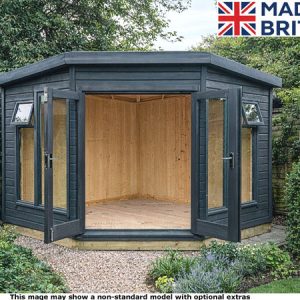 From £3249
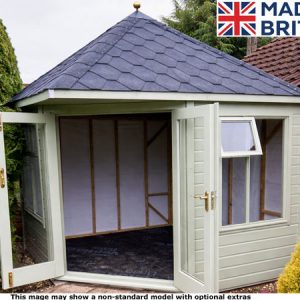 From £3825
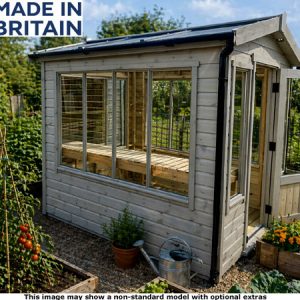 From £2819
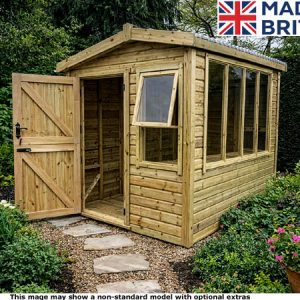 From £2393
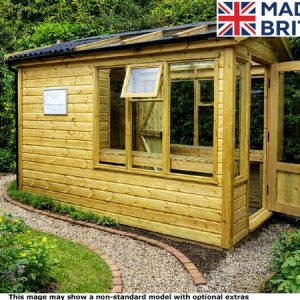 From £2201
 From £646
 From £819
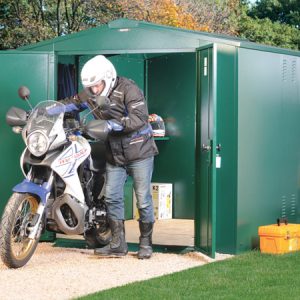 From £2,047
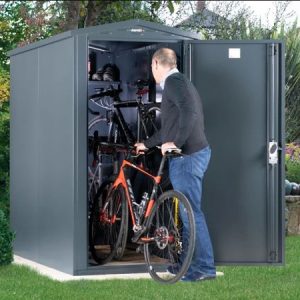 From £743
 From £3928
 From £3928
 From £3928
 From £2405
 From £1,662